Discover 9 proven ways to enhance event atmosphere and create unforgettable experiences that keep guests engaged and talking long after the event.
TL;DR:
• Effective event atmosphere depends on coordinated sensory design, blending lighting, sound, entertainment, and spatial flow. Strategic planning and execution create memorable guest experiences and organic energy, emphasizing lighting and sound quality. Proper timing, immersive elements, and team awareness are essential for a cohesive, impactful event environment.
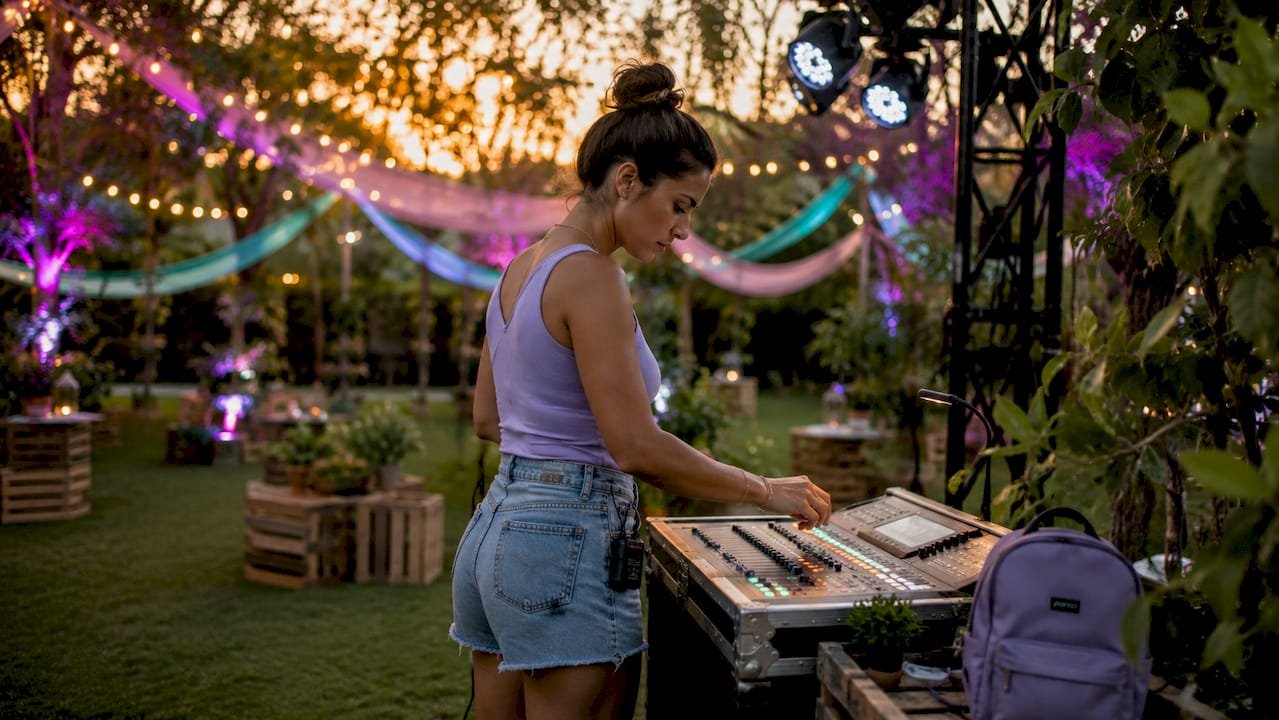
Event atmosphere is the collective sensory and emotional environment guests experience from the moment they arrive until they leave. The most effective ways to enhance event atmosphere combine layered lighting, calibrated sound design, interactive entertainment, and intentional spatial planning into one coordinated production. Event professionals call this approach sensory event design, and it is the difference between a gathering people attend and one they remember. Every element you control shapes how guests feel, how long they stay engaged, and whether they leave talking about your event.
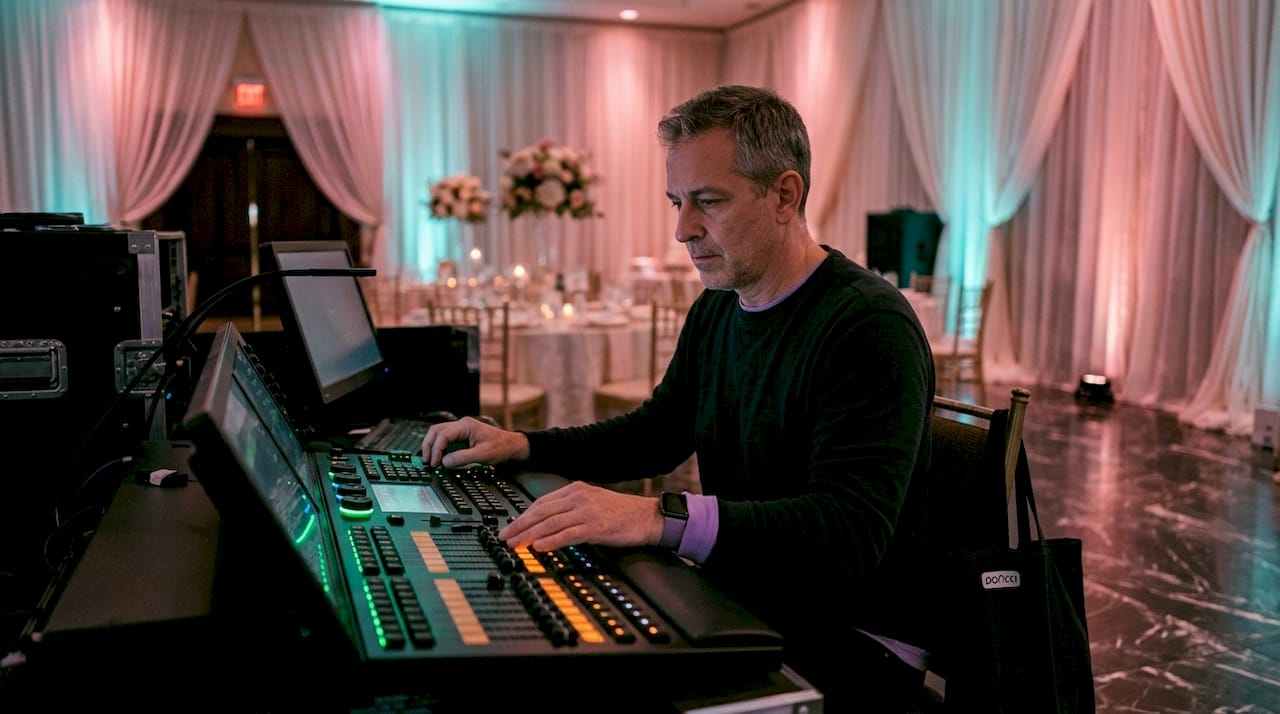
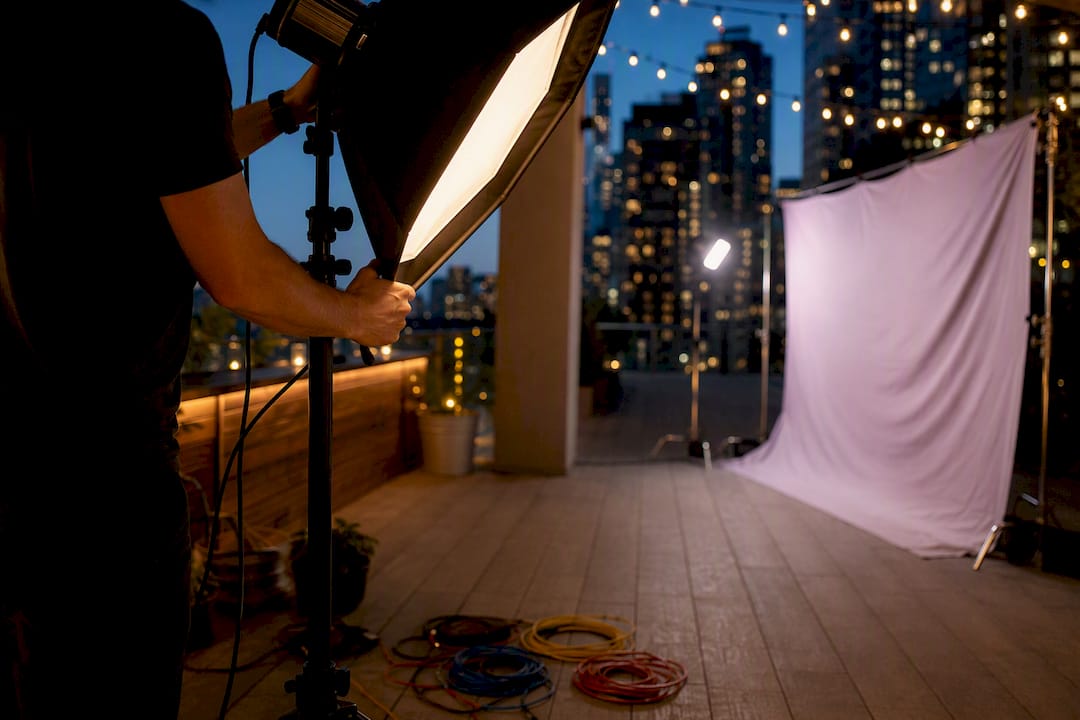
Lighting influences emotion and attention more than décor does. Layered lighting combines four distinct types: ambient (base fill), accent (focal points), task or stage (performance areas), and dynamic (dance floor or color wash). Each layer serves a different purpose, and using all four creates depth that a single overhead fixture never can.
Research confirms that warm lighting at 2700–3500 K with moderate illumination around 300–500 lux induces relaxed, happy moods, while cooler tones at 5000–6500 K sharpen alertness and focus. That means dinner service calls for warm amber tones, and a keynote presentation calls for cooler, brighter light. Matching color temperature to the program phase is one of the most cost-effective ambiance improvement techniques available.
• Set ambient lighting 20–30% lower than standard office levels for social events
• Use pin spotting on centerpieces or a head table to create visual hierarchy
• Program lighting cues to shift automatically with your run-of-show timeline
• Avoid harsh uplighting directly behind speakers, which creates unflattering shadows
Pro Tip: Rent a lighting controller with pre-saved scenes so your technician can trigger mood shifts with a single button press rather than manual adjustments mid-event.
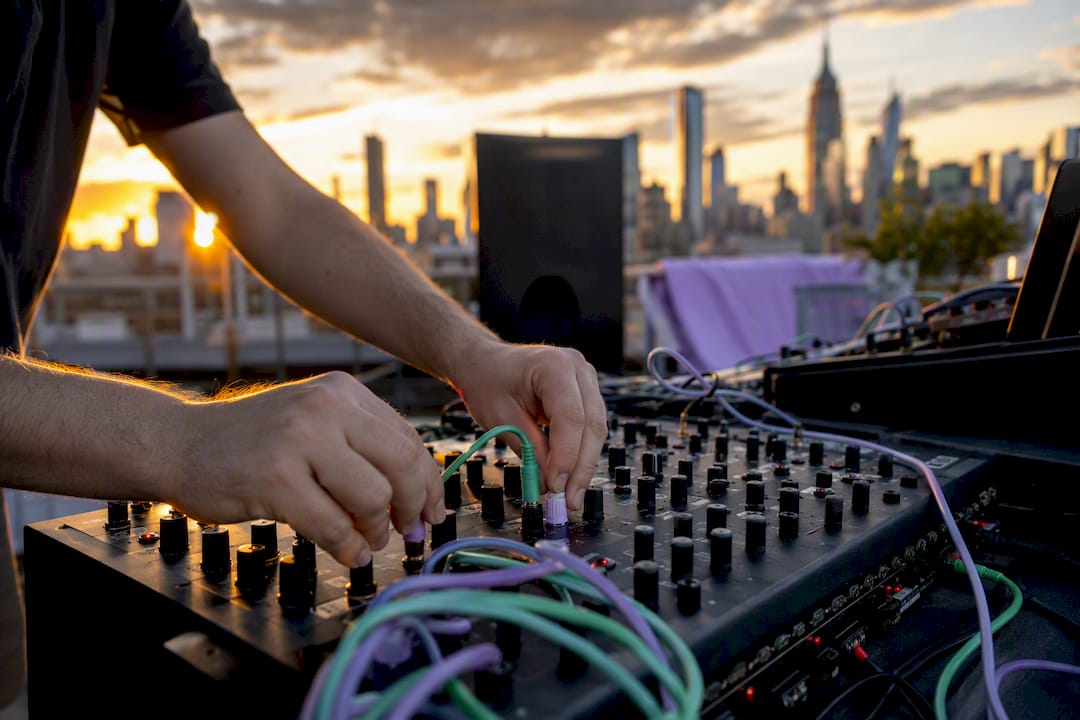
Clear, balanced audio coverage is the foundation of a comfortable event environment. Poor speaker placement creates dead zones where guests strain to hear and hot spots where conversation is impossible. Neither condition improves with more volume.
The goal is even intelligibility across every seat and standing area. Distributed speaker arrays, delay towers for large rooms, and fill speakers for corners all serve that purpose. Sound and lighting coordination requires detailed technical rehearsal, role-based mic checks, and well-planned transitions to prevent dead air or energy loss during key moments. A complete AV checklist that includes gear counts, mic assignments, and cue timing is the most reliable way to prevent audio glitches that kill atmosphere.
Pro Tip: Walk the room during your sound check with a handheld mic at the same height as a speaking guest. You will find coverage gaps that a stationary test never reveals.
Interactive entertainment options work best when they are treated as punctuation marks in your event timeline, not background noise. Optimal performance segments last 10–20 minutes and land naturally after meals or speeches. That timing gives guests a moment to reset and re-engage rather than sitting through a continuous program.
Here is a practical sequencing framework:
1. Arrival activation: A roaming musician or caricature artist greets guests during cocktail hour, lowering social hesitation before the program begins.
2. Post-dinner performance: A 15-minute live act or DJ set transition signals the shift from seated dining to open celebration.
3. Mid-event interactive moment: A photo booth, karaoke segment, or audience game creates a participation peak and generates shareable content.
4. Wind-down anchor: Softer background music or a final performance cue signals the natural close without an abrupt cutoff.
Interactive entertainment reduces guest hesitation by giving people permission to participate. Roaming acts create pockets of engagement without pressure, which is exactly how organic energy builds.
Spatial design is the most underused tool for improving event ambiance. Balanced spatial design focuses on flow, focal points, and comfort rather than aesthetics alone. A room that looks beautiful in a floor plan can still feel awkward if guests cannot move naturally between the bar, the dance floor, and their seats.
| Spatial Element | Common Mistake | Better Approach |
|---|---|---|
| Seating layout | Rows facing one direction | Clusters that face a central focal point |
| Traffic flow | Single entry and exit path | Multiple clear pathways between zones |
| Conversation zones | No defined mingling areas | Lounge clusters with lower lighting nearby |
| Stage or focal point | Centered against back wall | Offset to create dynamic sightlines |
| Bar placement | Near the entrance only | Secondary bar station mid-room to reduce crowding |
Design the room so guests discover zones rather than being funneled through them. That sense of discovery creates a more inviting atmosphere and keeps energy distributed across the space.
Multisensory immersion is achieved through orchestrated lighting, sound, video, and staging. Most corporate and social events create immersion by combining storytelling, interactivity, and sensory design rather than relying on any single technology. The distinction matters: a fog machine is a gimmick; fog timed to a lighting color shift during a grand entrance is a moment.
| Approach | Single-Sense Design | Multisensory Design |
|---|---|---|
| Entrance experience | Signage only | Lighting color wash plus ambient music cue |
| Award or toast moment | Microphone only | Spotlight, music swell, and applause prompt |
| Dance floor activation | DJ plays music | Lighting sync, haze, and crowd interaction |
| Dinner service | Background playlist | Curated tempo shift as courses progress |
Expert planners map atmosphere minute-by-minute, aligning arrival energy, mid-event peaks, and wind-down phases with matching lighting and entertainment changes. That arc is what separates a well-produced event from one that simply has good vendors.
A photo booth is not just a fun add-on. It is a defined participation zone that gives guests a reason to move, interact, and create something tangible. Immersive photo booth formats in 2026 include 360-degree video booths, mirror booths with on-screen prompts, and green-screen setups that match your event theme. Each format generates social content that extends your event’s reach beyond the room.
Position the booth in a mid-room location with good ambient lighting nearby. Placing it in a corner reduces traffic and kills the social energy it is designed to create. A well-placed booth with a branded backdrop becomes one of the most photographed spots at the event.
Ambient noise control is a thematic event setup detail most planners overlook until it is too late. Hard floors, low ceilings, and bare walls create reverb that makes conversation exhausting. Soft furnishings, pipe-and-drape panels, and strategic furniture placement all absorb sound and reduce fatigue.
The audio visual basics that matter most are even coverage and layered scenes. Avoid the volume trap: turning up the music to compensate for poor coverage only forces guests to shout, which raises the ambient noise floor further. A well-distributed sound system at moderate volume always outperforms a loud system with uneven coverage.
Thematic event setups create a cohesive visual language that guests read subconsciously. Color palettes, linen choices, floral arrangements, and projection content should all reference the same design brief. When they do not, the room feels assembled rather than designed.
Choose a maximum of three accent colors and apply them consistently across lighting gels, printed materials, and decor. Projection mapping on walls or ceilings is one of the most cost-effective ways to transform a plain venue into a branded environment. A single gobo pattern in your event color projected on a blank wall costs far less than custom draping and delivers comparable visual impact.
The most detailed production plan fails if your team does not know it. Every vendor, from the DJ to the catering captain, should receive a run-of-show document that includes lighting cue times, entertainment transitions, and key program moments. That shared awareness is what keeps the flow moving when a speech runs long or a guest requests an early dance floor opening.
High-energy event planning depends on coordinated execution across all departments. A brief pre-event walkthrough with all vendors on-site, covering cue timing and contingency plans, takes 20 minutes and prevents the kind of dead air that no amount of good lighting can fix.
The most effective ways to enhance event atmosphere combine layered lighting, calibrated sound, timed entertainment, and intentional spatial design into one coordinated production arc.
| Point | Details |
|---|---|
| Layer your lighting | Use ambient, accent, stage, and dynamic layers to create depth and shift mood with program phases. |
| Prioritize sound coverage | Even audio distribution at moderate volume outperforms loud, uneven speaker placement every time. |
| Time entertainment strategically | Place 10–20 minute performance segments after meals or speeches for maximum guest re-engagement. |
| Design for flow, not just looks | Spatial layouts should guide guest movement and create natural conversation zones across the room. |
| Synchronize all sensory elements | Map lighting, sound, and entertainment to a minute-by-minute arc for a cohesive guest journey. |
The single biggest mistake we see planners make is treating atmosphere as a checklist rather than a timeline. They book the DJ, order the uplighting, and confirm the photo booth, then assume the atmosphere will assemble itself on the day. It does not work that way.
Atmosphere usually fails when it feels too programmed. Guests sense when every moment has been scripted, and the energy goes flat. The fix is not less planning. It is planning that leaves room for organic moments. A roaming musician who reads the room and shifts tempo, a DJ who watches the dance floor instead of a playlist, a photo booth attendant who pulls reluctant guests in with a prop. Those human decisions inside a well-built production framework are what create the energy that guests describe as “the vibe.”
We also believe most planners underinvest in sound relative to lighting. A beautiful room with muddy audio feels cheap. A plain room with crystal-clear sound and warm lighting feels like a professional production. If you have to choose where to spend more, spend it on audio first.
— PORCCI
Porcci NYC provides the full production stack that makes every strategy in this article executable. From professional AV and sound system rentals to DJ services and photo booth rentals, we deliver, set up, and manage every element so your focus stays on your guests. We serve events across New York City and New Jersey, from intimate private parties to large corporate gatherings. Every package includes professional staffing, technical support, and a coordinated setup that matches your run-of-show. Contact Porcci NYC for a custom quote and let us build the atmosphere your event deserves.
Lighting design delivers the highest return on investment for ambiance improvement. Warm tones at 2700–3500 K with layered scenes create emotional resonance that guests feel immediately upon entering the room.
Performance segments of 10–20 minutes placed after meals or speeches produce the strongest guest re-engagement. Longer sets risk losing attention; shorter ones do not build enough momentum.
Poor audio kills atmosphere faster than any other single factor. Clear, evenly distributed sound at moderate volume keeps guests comfortable and conversation natural throughout the event.
Open the photo booth during cocktail hour or immediately after dinner service. That timing aligns with natural guest movement and captures peak social energy before the program winds down.
Combine warm ambient lighting, a curated music playlist with tempo shifts, and one interactive element like a photo booth or roaming performer. Multisensory coordination matters more than expensive technology.
Discover 9 proven ways to enhance event atmosphere and create unforgettable experiences that keep guests engaged and talking long after the event.
TL;DR:
• Effective event atmosphere depends on coordinated sensory design, blending lighting, sound, entertainment, and spatial flow. Strategic planning and execution create memorable guest experiences and organic energy, emphasizing lighting and sound quality. Proper timing, immersive elements, and team awareness are essential for a cohesive, impactful event environment.
Event atmosphere is the collective sensory and emotional environment guests experience from the moment they arrive until they leave. The most effective ways to enhance event atmosphere combine layered lighting, calibrated sound design, interactive entertainment, and intentional spatial planning into one coordinated production. Event professionals call this approach sensory event design, and it is the difference between a gathering people attend and one they remember. Every element you control shapes how guests feel, how long they stay engaged, and whether they leave talking about your event.
Lighting influences emotion and attention more than décor does. Layered lighting combines four distinct types: ambient (base fill), accent (focal points), task or stage (performance areas), and dynamic (dance floor or color wash). Each layer serves a different purpose, and using all four creates depth that a single overhead fixture never can.
Research confirms that warm lighting at 2700–3500 K with moderate illumination around 300–500 lux induces relaxed, happy moods, while cooler tones at 5000–6500 K sharpen alertness and focus. That means dinner service calls for warm amber tones, and a keynote presentation calls for cooler, brighter light. Matching color temperature to the program phase is one of the most cost-effective ambiance improvement techniques available.
• Set ambient lighting 20–30% lower than standard office levels for social events
• Use pin spotting on centerpieces or a head table to create visual hierarchy
• Program lighting cues to shift automatically with your run-of-show timeline
• Avoid harsh uplighting directly behind speakers, which creates unflattering shadows
Pro Tip: Rent a lighting controller with pre-saved scenes so your technician can trigger mood shifts with a single button press rather than manual adjustments mid-event.
Clear, balanced audio coverage is the foundation of a comfortable event environment. Poor speaker placement creates dead zones where guests strain to hear and hot spots where conversation is impossible. Neither condition improves with more volume.
The goal is even intelligibility across every seat and standing area. Distributed speaker arrays, delay towers for large rooms, and fill speakers for corners all serve that purpose. Sound and lighting coordination requires detailed technical rehearsal, role-based mic checks, and well-planned transitions to prevent dead air or energy loss during key moments. A complete AV checklist that includes gear counts, mic assignments, and cue timing is the most reliable way to prevent audio glitches that kill atmosphere.
Pro Tip: Walk the room during your sound check with a handheld mic at the same height as a speaking guest. You will find coverage gaps that a stationary test never reveals.
Interactive entertainment options work best when they are treated as punctuation marks in your event timeline, not background noise. Optimal performance segments last 10–20 minutes and land naturally after meals or speeches. That timing gives guests a moment to reset and re-engage rather than sitting through a continuous program.
Here is a practical sequencing framework:
1. Arrival activation: A roaming musician or caricature artist greets guests during cocktail hour, lowering social hesitation before the program begins.
2. Post-dinner performance: A 15-minute live act or DJ set transition signals the shift from seated dining to open celebration.
3. Mid-event interactive moment: A photo booth, karaoke segment, or audience game creates a participation peak and generates shareable content.
4. Wind-down anchor: Softer background music or a final performance cue signals the natural close without an abrupt cutoff.
Interactive entertainment reduces guest hesitation by giving people permission to participate. Roaming acts create pockets of engagement without pressure, which is exactly how organic energy builds.
Spatial design is the most underused tool for improving event ambiance. Balanced spatial design focuses on flow, focal points, and comfort rather than aesthetics alone. A room that looks beautiful in a floor plan can still feel awkward if guests cannot move naturally between the bar, the dance floor, and their seats.
| Spatial Element | Common Mistake | Better Approach |
|---|---|---|
| Seating layout | Rows facing one direction | Clusters that face a central focal point |
| Traffic flow | Single entry and exit path | Multiple clear pathways between zones |
| Conversation zones | No defined mingling areas | Lounge clusters with lower lighting nearby |
| Stage or focal point | Centered against back wall | Offset to create dynamic sightlines |
| Bar placement | Near the entrance only | Secondary bar station mid-room to reduce crowding |
Design the room so guests discover zones rather than being funneled through them. That sense of discovery creates a more inviting atmosphere and keeps energy distributed across the space.
Multisensory immersion is achieved through orchestrated lighting, sound, video, and staging. Most corporate and social events create immersion by combining storytelling, interactivity, and sensory design rather than relying on any single technology. The distinction matters: a fog machine is a gimmick; fog timed to a lighting color shift during a grand entrance is a moment.
| Approach | Single-Sense Design | Multisensory Design |
|---|---|---|
| Entrance experience | Signage only | Lighting color wash plus ambient music cue |
| Award or toast moment | Microphone only | Spotlight, music swell, and applause prompt |
| Dance floor activation | DJ plays music | Lighting sync, haze, and crowd interaction |
| Dinner service | Background playlist | Curated tempo shift as courses progress |
Expert planners map atmosphere minute-by-minute, aligning arrival energy, mid-event peaks, and wind-down phases with matching lighting and entertainment changes. That arc is what separates a well-produced event from one that simply has good vendors.
A photo booth is not just a fun add-on. It is a defined participation zone that gives guests a reason to move, interact, and create something tangible. Immersive photo booth formats in 2026 include 360-degree video booths, mirror booths with on-screen prompts, and green-screen setups that match your event theme. Each format generates social content that extends your event’s reach beyond the room.
Position the booth in a mid-room location with good ambient lighting nearby. Placing it in a corner reduces traffic and kills the social energy it is designed to create. A well-placed booth with a branded backdrop becomes one of the most photographed spots at the event.
Ambient noise control is a thematic event setup detail most planners overlook until it is too late. Hard floors, low ceilings, and bare walls create reverb that makes conversation exhausting. Soft furnishings, pipe-and-drape panels, and strategic furniture placement all absorb sound and reduce fatigue.
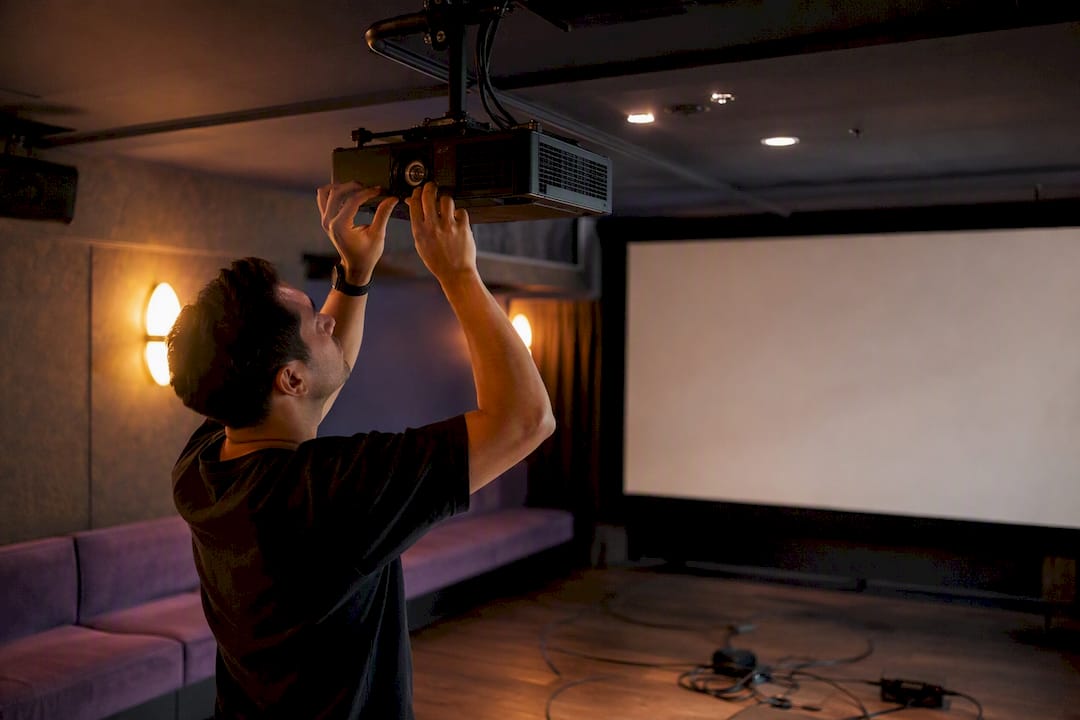
The audio visual basics that matter most are even coverage and layered scenes. Avoid the volume trap: turning up the music to compensate for poor coverage only forces guests to shout, which raises the ambient noise floor further. A well-distributed sound system at moderate volume always outperforms a loud system with uneven coverage.
Thematic event setups create a cohesive visual language that guests read subconsciously. Color palettes, linen choices, floral arrangements, and projection content should all reference the same design brief. When they do not, the room feels assembled rather than designed.
Choose a maximum of three accent colors and apply them consistently across lighting gels, printed materials, and decor. Projection mapping on walls or ceilings is one of the most cost-effective ways to transform a plain venue into a branded environment. A single gobo pattern in your event color projected on a blank wall costs far less than custom draping and delivers comparable visual impact.
The most detailed production plan fails if your team does not know it. Every vendor, from the DJ to the catering captain, should receive a run-of-show document that includes lighting cue times, entertainment transitions, and key program moments. That shared awareness is what keeps the flow moving when a speech runs long or a guest requests an early dance floor opening.
High-energy event planning depends on coordinated execution across all departments. A brief pre-event walkthrough with all vendors on-site, covering cue timing and contingency plans, takes 20 minutes and prevents the kind of dead air that no amount of good lighting can fix.
The most effective ways to enhance event atmosphere combine layered lighting, calibrated sound, timed entertainment, and intentional spatial design into one coordinated production arc.
| Point | Details |
|---|---|
| Layer your lighting | Use ambient, accent, stage, and dynamic layers to create depth and shift mood with program phases. |
| Prioritize sound coverage | Even audio distribution at moderate volume outperforms loud, uneven speaker placement every time. |
| Time entertainment strategically | Place 10–20 minute performance segments after meals or speeches for maximum guest re-engagement. |
| Design for flow, not just looks | Spatial layouts should guide guest movement and create natural conversation zones across the room. |
| Synchronize all sensory elements | Map lighting, sound, and entertainment to a minute-by-minute arc for a cohesive guest journey. |
The single biggest mistake we see planners make is treating atmosphere as a checklist rather than a timeline. They book the DJ, order the uplighting, and confirm the photo booth, then assume the atmosphere will assemble itself on the day. It does not work that way.
Atmosphere usually fails when it feels too programmed. Guests sense when every moment has been scripted, and the energy goes flat. The fix is not less planning. It is planning that leaves room for organic moments. A roaming musician who reads the room and shifts tempo, a DJ who watches the dance floor instead of a playlist, a photo booth attendant who pulls reluctant guests in with a prop. Those human decisions inside a well-built production framework are what create the energy that guests describe as “the vibe.”
We also believe most planners underinvest in sound relative to lighting. A beautiful room with muddy audio feels cheap. A plain room with crystal-clear sound and warm lighting feels like a professional production. If you have to choose where to spend more, spend it on audio first.
— PORCCI
Porcci NYC provides the full production stack that makes every strategy in this article executable. From professional AV and sound system rentals to DJ services and photo booth rentals, we deliver, set up, and manage every element so your focus stays on your guests. We serve events across New York City and New Jersey, from intimate private parties to large corporate gatherings. Every package includes professional staffing, technical support, and a coordinated setup that matches your run-of-show. Contact Porcci NYC for a custom quote and let us build the atmosphere your event deserves.
Lighting design delivers the highest return on investment for ambiance improvement. Warm tones at 2700–3500 K with layered scenes create emotional resonance that guests feel immediately upon entering the room.
Performance segments of 10–20 minutes placed after meals or speeches produce the strongest guest re-engagement. Longer sets risk losing attention; shorter ones do not build enough momentum.
Poor audio kills atmosphere faster than any other single factor. Clear, evenly distributed sound at moderate volume keeps guests comfortable and conversation natural throughout the event.
Open the photo booth during cocktail hour or immediately after dinner service. That timing aligns with natural guest movement and captures peak social energy before the program winds down.
Combine warm ambient lighting, a curated music playlist with tempo shifts, and one interactive element like a photo booth or roaming performer. Multisensory coordination matters more than expensive technology.