Explore diverse corporate event venue options for your 2026 planning. From unique spaces to traditional venues, find the perfect fit today!
The right venue does more than hold your guests. It shapes the energy in the room, signals your company’s values, and determines whether your event runs smoothly or falls apart at 9 AM. Corporate event venue options today span five core categories: hotels and conference centers, unique non-traditional spaces, outdoor and rooftop venues, restaurants and private dining rooms, and digital or hybrid studios. Each fits a different event format, headcount, and goal.
Here is a quick map of where each category fits:
• Hotels and conference centers: Multi-day conferences, sales kickoffs, and all-hands meetings for large groups
• Unique and non-traditional spaces: Product launches, VIP receptions, and brand activations for medium-sized groups
• Outdoor and rooftop venues: Team-building days, wellness events, and casual networking (flexible headcount)
• Restaurants and private dining: Executive dinners, board meetings, and client appreciation events for small, intimate groups
• Digital and hybrid studios: Virtual town halls, executive keynotes, and multi-location broadcasts (any size)
• 1. What are the main corporate event venue categories?
• 2. How should you plan timelines and budget for corporate events?
• 3. How does venue choice shape the corporate event experience?
• 4. How do AV and entertainment services maximize corporate event impact?
• 5. How do capacity and layout affect your venue decision?
• 6. What makes a venue a green or sustainable choice?
• 7. Indoor vs. outdoor venues: what are the real trade-offs?
• FAQ
Venue categories align directly with event goals, influencing both the experience and the logistics from the first site tour through the final breakdown.
Hotels and conference centers remain the workhorses of the corporate events world. They bundle accommodation, catering, AV support, and breakout rooms under one roof, which cuts vendor coordination significantly. The trade-off is cost and rigidity. Many hotels lock you into their in-house catering and AV vendors, which limits your ability to shop for better pricing or specialty services.
Unique and non-traditional spaces (art galleries, industrial lofts, historic buildings, design hotels) deliver instant atmosphere. A well-chosen gallery or loft does half your branding work before a single slide loads. The catch is that “blank canvas” spaces require you to rent everything, from tables and chairs to power distribution, and older buildings often lack dedicated loading docks or high-capacity internet.

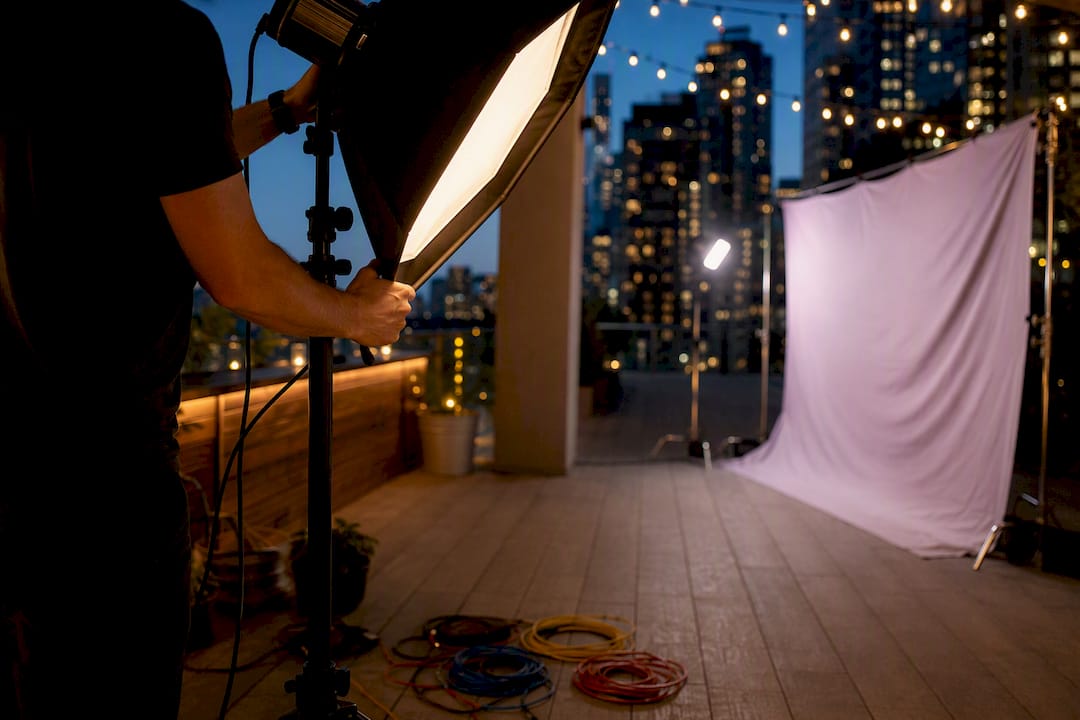
Outdoor and rooftop venues work well for casual team-building, wellness programming, and summer celebrations. Natural surroundings cut décor costs, but weather contingency planning is non-negotiable. Budget for a backup indoor space or tent, and confirm local noise ordinances and permit requirements before you commit.
Restaurants and private dining rooms are the lowest-friction option for intimate gatherings. Food and beverage service is the venue’s core business, so catering logistics are already handled. Contracts are simpler too, typically built around a minimum spend rather than complex attrition clauses. The limitation is scale: most restaurant private rooms cap out around 60 guests and offer minimal AV capability.
Digital and hybrid studios have become a standard option for executive communications and multi-location events. Broadcast-quality lighting, professional backdrops, and reliable streaming infrastructure make these spaces purpose-built for the camera, not just the room.
Industry guidance recommends extended lead time for large conferences, while smaller boutique offsites allow for shorter, more flexible booking windows.
A practical breakdown by event size outlines shorter to longer planning timelines based on expected guest count and event complexity.
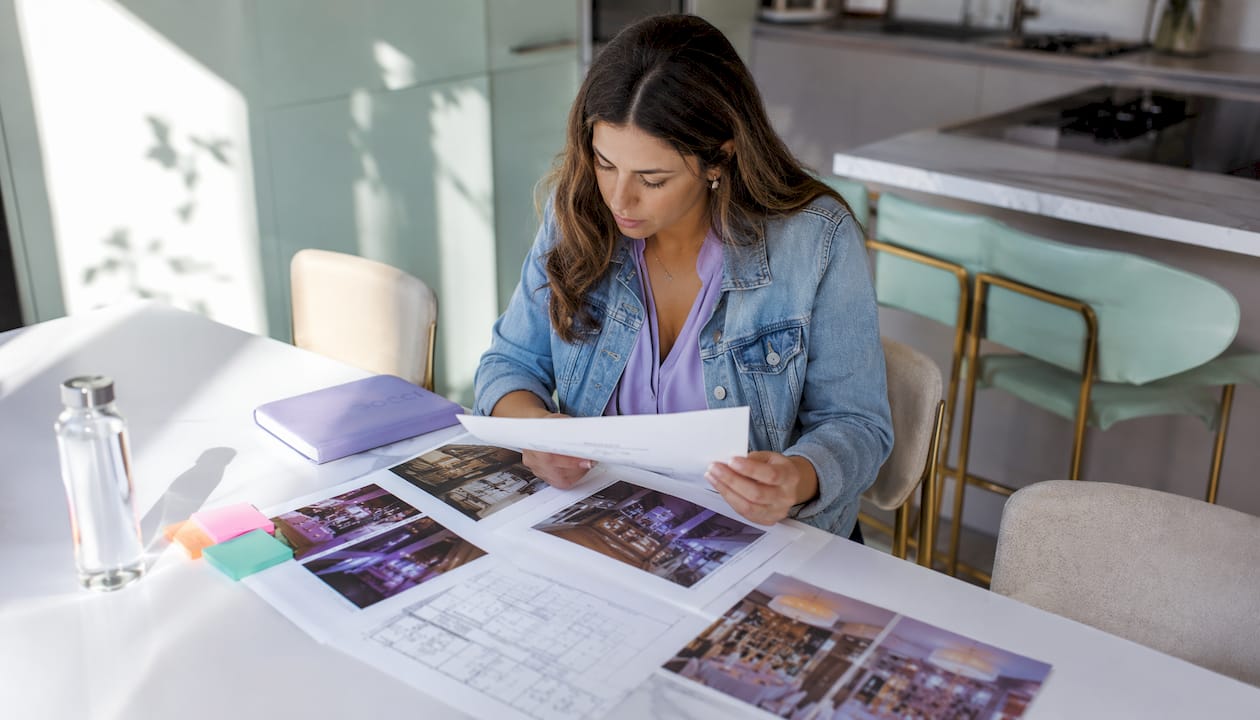
Budget planning is where most planners underestimate. Effective budgeting extends well beyond the venue rental fee to cover AV and technology, catering, staffing, liability insurance, and permits. For brand-centric events like product launches, a significant portion of total event spend may justifiably go toward the venue because the space serves active marketing purposes.
A realistic baseline for a mid-tier market full-day event includes venue rental, catering, AV, décor, and staffing costs, amounting to several hundred dollars per person.
Hidden costs catch planners off guard most often. Watch for:
• Gratuity and service charges not included in initial quotes
• Vendor insurance certificates (COI) required by the venue
• Deposit structures (typically 25–50% at signing, balance due 14–30 days before the event)
• Cancellation and attrition penalties, especially for hotel room blocks
• Overtime charges for setup or teardown beyond contracted hours
For event budget planning across all line items, building a detailed cost model before you sign anything protects you from surprises that surface at the worst possible moment.
A venue functions as a strategic communication platform that shapes organizational culture and attendee experience, not just a physical container for your program. The space you choose sends a message before anyone speaks.
Formal venues support presentations and client events where professional atmosphere takes priority. Interactive venues, by contrast, deliberately break down workplace hierarchies. An entertainment-focused space naturally mixes teams and sparks conversations that a hotel ballroom rarely produces. For events where cross-department connection is the goal, the venue format matters as much as the agenda. A live music experience or interactive activity creates the kind of shared moment that people actually remember.
Arrival experience is an underrated factor. Parking access, clear signage, and smooth check-in set attendee mood before the event even starts. Bottlenecks at registration or confusing entry points create frustration that colors the entire day.
Pro Tip: When you tour a venue, look past the décor. Check the loading dock for AV equipment access, ask for the dedicated internet speed in Mbps (upload and download), and walk the room to spot any pillars that block sightlines from the back third of the audience. These invisible logistics cause the most expensive surprises on event day.
Technology failures are the most common reason corporate events go sideways. Two things ruin events more reliably than anything else: the internet goes down during the keynote, or the in-house AV team cannot execute what you requested. Both are preventable.
For internet, 100 Mbps symmetric or higher on a dedicated business line is the standard for events with 100+ attendees streaming, presenting, or running breakout video calls. Shared building Wi-Fi rarely meets that threshold. Run a speed test during your site visit, not the day of the event.
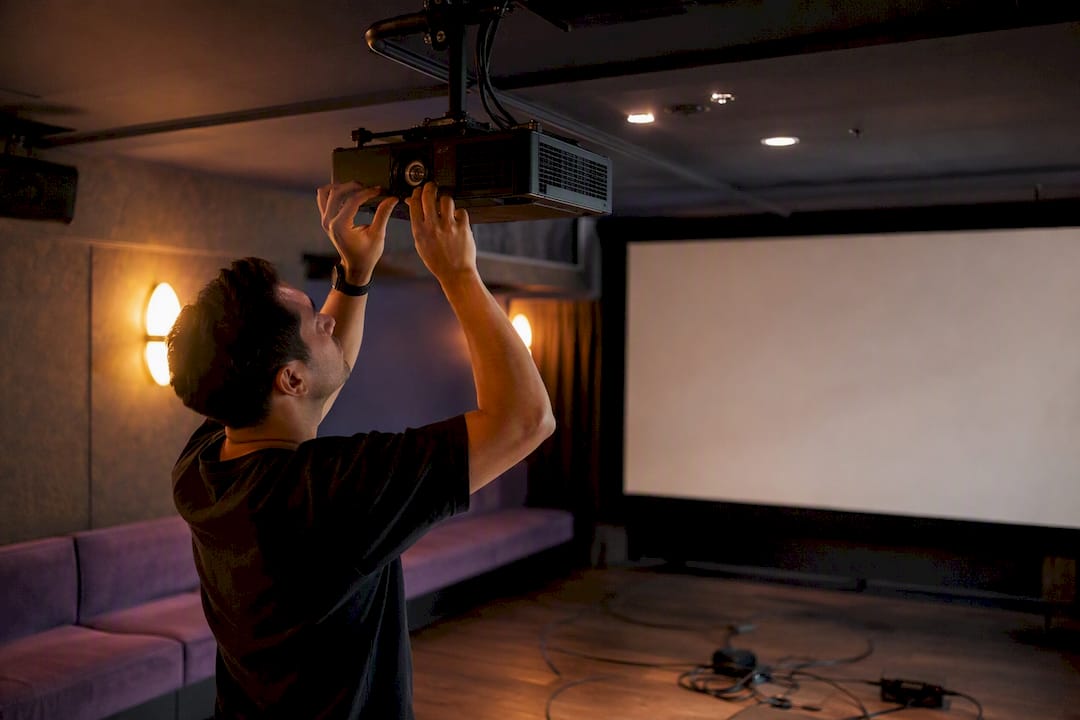
For AV, in-house vendors are convenient but typically cost 20–40% more than a third-party provider. Either way, request the spec sheet: projector brightness in lumens, screen size, audio coverage, microphone inventory, and confidence monitor availability.
For audio visual basics that apply across venue types, understanding what to verify before you sign saves you from the most common and costly event-day failures.
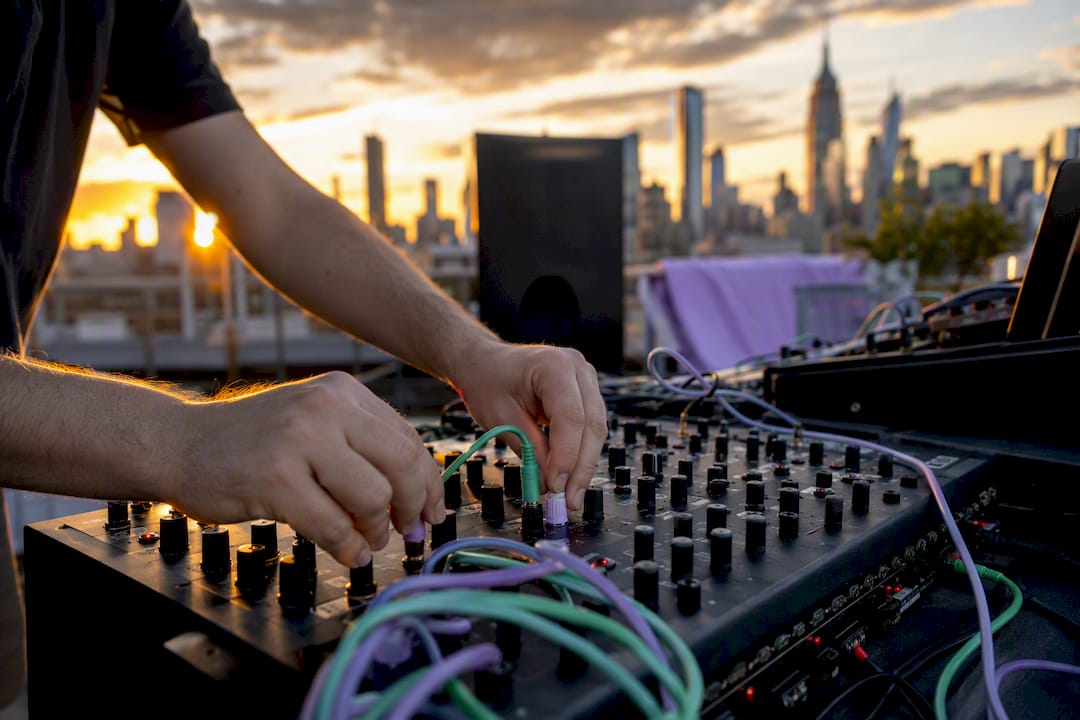
Entertainment choices should reflect both the venue type and your company culture. A karaoke setup or photo booth works well in a loft or entertainment venue; a string performance fits a formal reception or investor dinner. Porcci NYC provides AV and sound system rentals across NYC and New Jersey, including DJ services, photo booths, lighting, and staffing for corporate events of all sizes.
Typical AV budgets and entertainment add-ons vary widely by event size, generally increasing with attendee count. Smaller events tend to have simpler AV and entertainment, while large events require more complex setups.
Capacity is not just a headcount ceiling. It determines comfort, flow, and whether your program actually works in the space. An oversized room makes a 100-person event feel poorly attended; an undersized one creates heat, noise, and frustration.
Layout flexibility matters most for events with varied agendas. A product launch needs open floor space for demonstrations. A training session requires clear sightlines and focused seating. A networking reception benefits from open, social zones without fixed rows. Look for venues that offer movable walls, modular furniture, or multi-purpose configurations so the space adapts to your program rather than the other way around.
Standard layout formats to confirm with any venue:
• Theater style: Maximum capacity, focused on a single presenter or screen
• Classroom: Smaller capacity, suited to training and workshops
• Banquet/rounds: Social and dining-friendly, lower density
• Cabaret: Clusters of small tables, good for interactive sessions
• Reception/cocktail: Standing, highest density, best for networking
For events with breakout sessions, confirm the number of separate rooms, their AV capability, and whether they can be accessed without disrupting the main session.
Sustainability has moved from a nice-to-have to a real selection criterion for many corporate event planners, particularly those working within ESG reporting frameworks. The good news is that green venue choices do not require sacrificing quality or convenience.
Look for venues with LEED certification or documented energy efficiency programs. Many hotel chains now publish sustainability scorecards covering energy use, water conservation, and waste diversion rates. For catering, ask whether the venue sources locally, composts food waste, or uses compostable serviceware. These details are increasingly available on request and sometimes published on venue websites.
Outdoor and rooftop venues naturally reduce lighting and HVAC energy loads during daytime events. Choosing a venue accessible by public transit cuts the carbon footprint of attendee travel, which is often the largest single contributor to a corporate event’s environmental impact. For interactive event entertainment that aligns with sustainability goals, digital activations like photo booths and streaming-based entertainment reduce physical waste compared to printed materials and single-use props.
Indoor venues offer control. Climate, lighting, acoustics, and power are predictable. AV setup is straightforward, catering logistics are contained, and your program runs on schedule regardless of what happens outside. For formal presentations, multi-session conferences, or any event where technology is central, indoor spaces are the lower-risk choice.
Outdoor venues offer atmosphere and scale that no ballroom can replicate. Natural settings cut décor costs, provide built-in visual interest, and create a relaxed energy that encourages genuine conversation. The risk is real, though. Weather contingency planning is not optional. You need a confirmed backup plan, whether that is a tent, an adjacent indoor space, or a clear cancellation and rescheduling policy with the venue.
Practical factors to weigh:
• Noise ordinances: Outdoor events in urban areas face strict time and decibel limits
• Power access: Outdoor spaces often require generator rental for AV and lighting
• Permits: Parks and public spaces require event permits that can take weeks to secure
• Accessibility: Uneven terrain and outdoor surfaces create challenges for attendees with mobility needs
Rooftop venues split the difference. They offer outdoor atmosphere with the structural support of a building, including power access, restrooms, and weather protection options. They tend to book quickly in spring and fall, so plan your timeline accordingly.
The venue you choose is one of the most consequential decisions in corporate event planning, directly shaping attendee experience, budget, and logistical complexity from the first site visit through the final breakdown.
| Point | Details |
|---|---|
| Match venue to event format | Hotels suit large multi-day events; unique spaces serve brand activations; restaurants work for intimate gatherings. |
| Book early by event size | Small offsites need 4–12 weeks; mid-size events need 3–6 months; large conferences need 9–18 months. |
| Budget beyond the rental fee | A 150-person full-day event in a mid-tier market typically costs around $260 per person, including venue, catering, AV, décor, and staffing. |
| Verify AV and internet specs | Request 100 Mbps symmetric internet and a full AV spec sheet before signing any venue contract. |
| Venue layout drives program success | Confirm layout formats (theater, classroom, reception) and breakout room availability match your event agenda. |
Hotels and conference centers suit large, multi-day events; unique spaces like lofts and galleries work for brand activations; restaurants fit intimate gatherings of under 60 people. The best choice depends on your event format, headcount, and goals.
Book 4–12 weeks out for small events under 40 people, 3–6 months for mid-size events of 50–150 people, and 9–18 months for large conferences over 300 attendees.
Common surprises include gratuity and service charges, vendor insurance requirements, overtime fees, attrition penalties on hotel room blocks, and AV upgrades not included in the base rental quote.
Dedicated symmetric internet at 100 Mbps or higher is the standard for events with 100+ attendees who are streaming, presenting, or running video calls. Shared building Wi-Fi frequently fails under that load.
Outdoor venues work well for team-building days, wellness events, and casual networking, but always require a confirmed weather backup plan and permits for public spaces.
Explore diverse corporate event venue options for your 2026 planning. From unique spaces to traditional venues, find the perfect fit today!
The right venue does more than hold your guests. It shapes the energy in the room, signals your company’s values, and determines whether your event runs smoothly or falls apart at 9 AM. Corporate event venue options today span five core categories: hotels and conference centers, unique non-traditional spaces, outdoor and rooftop venues, restaurants and private dining rooms, and digital or hybrid studios. Each fits a different event format, headcount, and goal.
Here is a quick map of where each category fits:
• Hotels and conference centers: Multi-day conferences, sales kickoffs, and all-hands meetings for large groups
• Unique and non-traditional spaces: Product launches, VIP receptions, and brand activations for medium-sized groups
• Outdoor and rooftop venues: Team-building days, wellness events, and casual networking (flexible headcount)
• Restaurants and private dining: Executive dinners, board meetings, and client appreciation events for small, intimate groups
• Digital and hybrid studios: Virtual town halls, executive keynotes, and multi-location broadcasts (any size)
• 1. What are the main corporate event venue categories?
• 2. How should you plan timelines and budget for corporate events?
• 3. How does venue choice shape the corporate event experience?
• 4. How do AV and entertainment services maximize corporate event impact?
• 5. How do capacity and layout affect your venue decision?
• 6. What makes a venue a green or sustainable choice?
• 7. Indoor vs. outdoor venues: what are the real trade-offs?
• FAQ
Venue categories align directly with event goals, influencing both the experience and the logistics from the first site tour through the final breakdown.
Hotels and conference centers remain the workhorses of the corporate events world. They bundle accommodation, catering, AV support, and breakout rooms under one roof, which cuts vendor coordination significantly. The trade-off is cost and rigidity. Many hotels lock you into their in-house catering and AV vendors, which limits your ability to shop for better pricing or specialty services.
Unique and non-traditional spaces (art galleries, industrial lofts, historic buildings, design hotels) deliver instant atmosphere. A well-chosen gallery or loft does half your branding work before a single slide loads. The catch is that “blank canvas” spaces require you to rent everything, from tables and chairs to power distribution, and older buildings often lack dedicated loading docks or high-capacity internet.
Outdoor and rooftop venues work well for casual team-building, wellness programming, and summer celebrations. Natural surroundings cut décor costs, but weather contingency planning is non-negotiable. Budget for a backup indoor space or tent, and confirm local noise ordinances and permit requirements before you commit.
Restaurants and private dining rooms are the lowest-friction option for intimate gatherings. Food and beverage service is the venue’s core business, so catering logistics are already handled. Contracts are simpler too, typically built around a minimum spend rather than complex attrition clauses. The limitation is scale: most restaurant private rooms cap out around 60 guests and offer minimal AV capability.
Digital and hybrid studios have become a standard option for executive communications and multi-location events. Broadcast-quality lighting, professional backdrops, and reliable streaming infrastructure make these spaces purpose-built for the camera, not just the room.
Industry guidance recommends extended lead time for large conferences, while smaller boutique offsites allow for shorter, more flexible booking windows.
A practical breakdown by event size outlines shorter to longer planning timelines based on expected guest count and event complexity.
Budget planning is where most planners underestimate. Effective budgeting extends well beyond the venue rental fee to cover AV and technology, catering, staffing, liability insurance, and permits. For brand-centric events like product launches, a significant portion of total event spend may justifiably go toward the venue because the space serves active marketing purposes.
A realistic baseline for a mid-tier market full-day event includes venue rental, catering, AV, décor, and staffing costs, amounting to several hundred dollars per person.
Hidden costs catch planners off guard most often. Watch for:
• Gratuity and service charges not included in initial quotes
• Vendor insurance certificates (COI) required by the venue
• Deposit structures (typically 25–50% at signing, balance due 14–30 days before the event)
• Cancellation and attrition penalties, especially for hotel room blocks
• Overtime charges for setup or teardown beyond contracted hours
For event budget planning across all line items, building a detailed cost model before you sign anything protects you from surprises that surface at the worst possible moment.
A venue functions as a strategic communication platform that shapes organizational culture and attendee experience, not just a physical container for your program. The space you choose sends a message before anyone speaks.
Formal venues support presentations and client events where professional atmosphere takes priority. Interactive venues, by contrast, deliberately break down workplace hierarchies. An entertainment-focused space naturally mixes teams and sparks conversations that a hotel ballroom rarely produces. For events where cross-department connection is the goal, the venue format matters as much as the agenda. A live music experience or interactive activity creates the kind of shared moment that people actually remember.
Arrival experience is an underrated factor. Parking access, clear signage, and smooth check-in set attendee mood before the event even starts. Bottlenecks at registration or confusing entry points create frustration that colors the entire day.
Pro Tip: When you tour a venue, look past the décor. Check the loading dock for AV equipment access, ask for the dedicated internet speed in Mbps (upload and download), and walk the room to spot any pillars that block sightlines from the back third of the audience. These invisible logistics cause the most expensive surprises on event day.
Technology failures are the most common reason corporate events go sideways. Two things ruin events more reliably than anything else: the internet goes down during the keynote, or the in-house AV team cannot execute what you requested. Both are preventable.
For internet, 100 Mbps symmetric or higher on a dedicated business line is the standard for events with 100+ attendees streaming, presenting, or running breakout video calls. Shared building Wi-Fi rarely meets that threshold. Run a speed test during your site visit, not the day of the event.
For AV, in-house vendors are convenient but typically cost 20–40% more than a third-party provider. Either way, request the spec sheet: projector brightness in lumens, screen size, audio coverage, microphone inventory, and confidence monitor availability.
For audio visual basics that apply across venue types, understanding what to verify before you sign saves you from the most common and costly event-day failures.
Entertainment choices should reflect both the venue type and your company culture. A karaoke setup or photo booth works well in a loft or entertainment venue; a string performance fits a formal reception or investor dinner. Porcci NYC provides AV and sound system rentals across NYC and New Jersey, including DJ services, photo booths, lighting, and staffing for corporate events of all sizes.
Typical AV budgets and entertainment add-ons vary widely by event size, generally increasing with attendee count. Smaller events tend to have simpler AV and entertainment, while large events require more complex setups.
Capacity is not just a headcount ceiling. It determines comfort, flow, and whether your program actually works in the space. An oversized room makes a 100-person event feel poorly attended; an undersized one creates heat, noise, and frustration.
Layout flexibility matters most for events with varied agendas. A product launch needs open floor space for demonstrations. A training session requires clear sightlines and focused seating. A networking reception benefits from open, social zones without fixed rows. Look for venues that offer movable walls, modular furniture, or multi-purpose configurations so the space adapts to your program rather than the other way around.
Standard layout formats to confirm with any venue:
• Theater style: Maximum capacity, focused on a single presenter or screen
• Classroom: Smaller capacity, suited to training and workshops
• Banquet/rounds: Social and dining-friendly, lower density
• Cabaret: Clusters of small tables, good for interactive sessions
• Reception/cocktail: Standing, highest density, best for networking
For events with breakout sessions, confirm the number of separate rooms, their AV capability, and whether they can be accessed without disrupting the main session.
Sustainability has moved from a nice-to-have to a real selection criterion for many corporate event planners, particularly those working within ESG reporting frameworks. The good news is that green venue choices do not require sacrificing quality or convenience.
Look for venues with LEED certification or documented energy efficiency programs. Many hotel chains now publish sustainability scorecards covering energy use, water conservation, and waste diversion rates. For catering, ask whether the venue sources locally, composts food waste, or uses compostable serviceware. These details are increasingly available on request and sometimes published on venue websites.
Outdoor and rooftop venues naturally reduce lighting and HVAC energy loads during daytime events. Choosing a venue accessible by public transit cuts the carbon footprint of attendee travel, which is often the largest single contributor to a corporate event’s environmental impact. For interactive event entertainment that aligns with sustainability goals, digital activations like photo booths and streaming-based entertainment reduce physical waste compared to printed materials and single-use props.
Indoor venues offer control. Climate, lighting, acoustics, and power are predictable. AV setup is straightforward, catering logistics are contained, and your program runs on schedule regardless of what happens outside. For formal presentations, multi-session conferences, or any event where technology is central, indoor spaces are the lower-risk choice.
Outdoor venues offer atmosphere and scale that no ballroom can replicate. Natural settings cut décor costs, provide built-in visual interest, and create a relaxed energy that encourages genuine conversation. The risk is real, though. Weather contingency planning is not optional. You need a confirmed backup plan, whether that is a tent, an adjacent indoor space, or a clear cancellation and rescheduling policy with the venue.
Practical factors to weigh:
• Noise ordinances: Outdoor events in urban areas face strict time and decibel limits
• Power access: Outdoor spaces often require generator rental for AV and lighting
• Permits: Parks and public spaces require event permits that can take weeks to secure
• Accessibility: Uneven terrain and outdoor surfaces create challenges for attendees with mobility needs
Rooftop venues split the difference. They offer outdoor atmosphere with the structural support of a building, including power access, restrooms, and weather protection options. They tend to book quickly in spring and fall, so plan your timeline accordingly.
The venue you choose is one of the most consequential decisions in corporate event planning, directly shaping attendee experience, budget, and logistical complexity from the first site visit through the final breakdown.
| Point | Details |
|---|---|
| Match venue to event format | Hotels suit large multi-day events; unique spaces serve brand activations; restaurants work for intimate gatherings. |
| Book early by event size | Small offsites need 4–12 weeks; mid-size events need 3–6 months; large conferences need 9–18 months. |
| Budget beyond the rental fee | A 150-person full-day event in a mid-tier market typically costs around $260 per person, including venue, catering, AV, décor, and staffing. |
| Verify AV and internet specs | Request 100 Mbps symmetric internet and a full AV spec sheet before signing any venue contract. |
| Venue layout drives program success | Confirm layout formats (theater, classroom, reception) and breakout room availability match your event agenda. |
Hotels and conference centers suit large, multi-day events; unique spaces like lofts and galleries work for brand activations; restaurants fit intimate gatherings of under 60 people. The best choice depends on your event format, headcount, and goals.
Book 4–12 weeks out for small events under 40 people, 3–6 months for mid-size events of 50–150 people, and 9–18 months for large conferences over 300 attendees.
Common surprises include gratuity and service charges, vendor insurance requirements, overtime fees, attrition penalties on hotel room blocks, and AV upgrades not included in the base rental quote.
Dedicated symmetric internet at 100 Mbps or higher is the standard for events with 100+ attendees who are streaming, presenting, or running video calls. Shared building Wi-Fi frequently fails under that load.
Outdoor venues work well for team-building days, wellness events, and casual networking, but always require a confirmed weather backup plan and permits for public spaces.