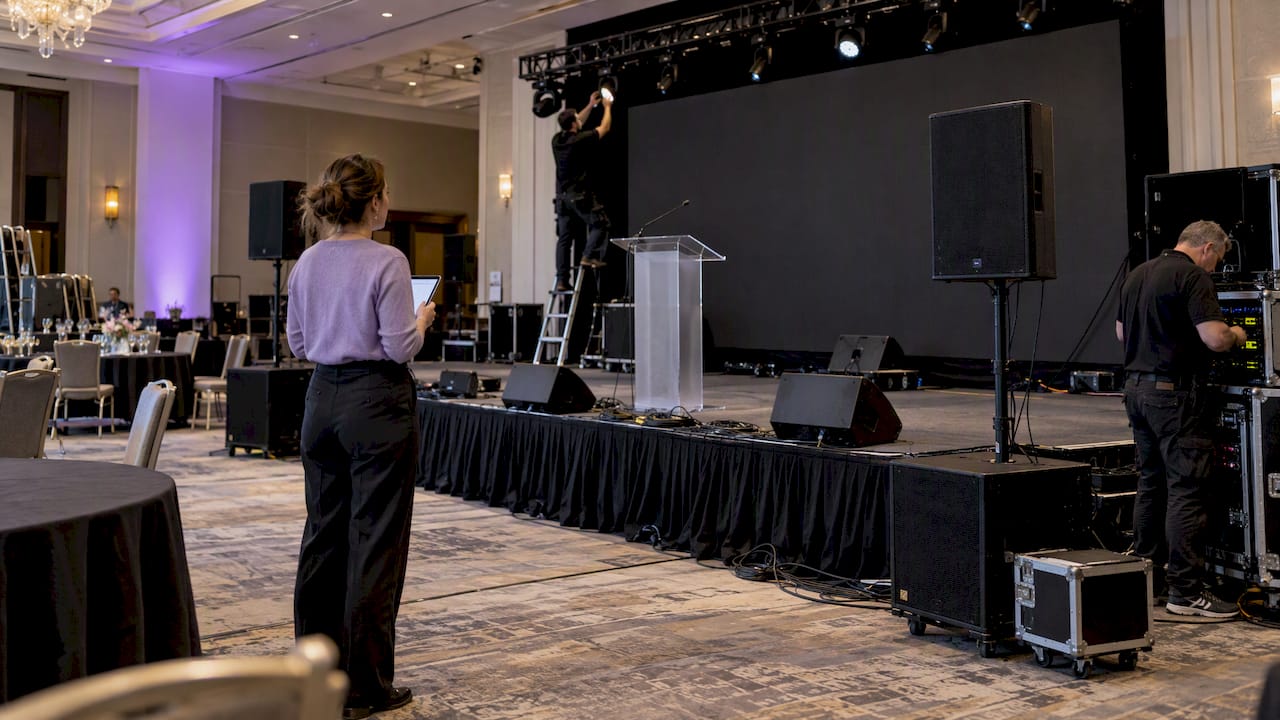
Plan your NY or NJ wedding with confidence. This step-by-step staffing guide covers roles, ratios, tipping norms, and day-of management for a flawless event.
TL;DR:
• Proper wedding staffing ensures smooth service and prevents logistical issues at NY/NJ events.
• Ask detailed questions and verify insurance, references, and contingency plans before hiring staff.
• Clear communication, defined roles, and timely scheduling are key to a successful wedding day.
Planning a wedding in New York or New Jersey is exciting, but without the right staff in place, even the most beautiful venue can unravel fast. Servers who disappear during dinner, bartenders who can’t keep up, or a coordinator who wasn’t briefed properly can turn your dream day into a logistical headache. This guide walks you through every step of building a reliable wedding team, from identifying which roles you need to managing staff on the big day, including the tipping norms and local standards that every NY/NJ couple should know.
• Understanding your wedding staffing needs
• How to find and vet reliable wedding staff
• Coordinating schedules and responsibilities
• On the day: Ensuring everything runs smoothly
• A hard-won lesson about wedding staffing most couples miss
• Level up your wedding with expert staffing and event support
| Point | Details |
|---|---|
| Know your roles | Staff types and headcounts depend on your guest list, venue, and service style. |
| Vet professionals | Carefully select and confirm reliable, insured staff with local experience. |
| Organize communication | Clear schedules and responsibilities are key to a stress-free event day. |
| Follow local tipping norms | NY/NJ tipping is best handled upfront via planner per researched standards. |
Once you recognize the value of a well-staffed event, the next step is to break down exactly who you’ll need on your big day. The party staff benefits for weddings go far beyond just having warm bodies in the room. Each role serves a specific purpose, and getting the mix right is what keeps the flow moving.
Here are the core staff roles most NY/NJ weddings require:
• Servers: Handle food service, table clearing, and guest needs throughout the reception
• Bartenders: Manage the bar, craft cocktails, and keep drink lines short
• Event coordinator: Oversees the timeline and communicates between vendors
• Entertainment staff: DJ, MC, or live band support (see our DJ vs live band breakdown for help deciding)
• Valets: Essential for venues with limited parking, especially in urban NJ locations
• Setup and cleanup crew: Handles logistics before guests arrive and after they leave
Staffing ratios matter. Here’s a quick reference for NY/NJ weddings:
| Staff role | Recommended ratio |
|---|---|
| Servers | 1 per 15 guests |
| Bartenders | 1 per 50 to 75 guests |
| Event coordinator | 1 per event (plus assistant for 150+ guests) |
| Valets | 1 per 30 to 40 cars |
Budget planning should also factor in tipping. In New Jersey, tipping benchmarks typically run $50 to $200 per server and $250 to $400 per bartender, or roughly 15 to 20% of the food and beverage bill. Distributing tips upfront through your planner is the standard approach in the region. Use a solid event checklist to track every role and cost before finalizing your budget.
Pro Tip: Always confirm in writing whether your venue provides core staff or if you’re responsible for sourcing them independently. This one question can save you thousands.
Now that your required roles are clear, here’s how to ensure you hire staff who’ll deliver excellence. The NY/NJ wedding market is competitive, and not every agency or freelance staffer will meet your standards. Knowing the right questions to ask makes all the difference.
Here are five questions to ask before hiring any wedding staff or agency:
1. Are your staff insured and background-checked? Reputable agencies always say yes.
2. Can you provide references from similar-sized weddings in NY or NJ? Local experience matters.
3. What is your substitution policy if someone calls out sick? You need a backup plan.
4. How do you handle overtime if the event runs long? Know the cost before it happens.
5. How are tips handled, and do you communicate that to your staff? Clarity here prevents awkward moments.
Watch for these common red flags when evaluating vendors:
• Vague or missing insurance documentation
• No clear policy on vendor red flags like last-minute substitutions
• Inconsistent reviews across platforms
• Pressure to pay large deposits in cash
Important: Never hand cash tips directly to unfamiliar staff on the event day. Distributing tips via your planner is the standard practice in this region and protects both you and the staff from confusion or disputes.
Also consider weatherproofing your wedding as part of your vendor vetting process. Staff who have experience with outdoor or hybrid events in the Northeast will handle unexpected conditions far better than those who don’t.
Pro Tip: Ask every agency what their contingency plan looks like for illness or no-shows. If they don’t have a clear answer, keep looking.
Once you have hired trustworthy staff, organizing their tasks and timing is key to a successful event. A master staffing schedule is your single most important planning document. It tells every person exactly where to be, when to arrive, and who to report to.
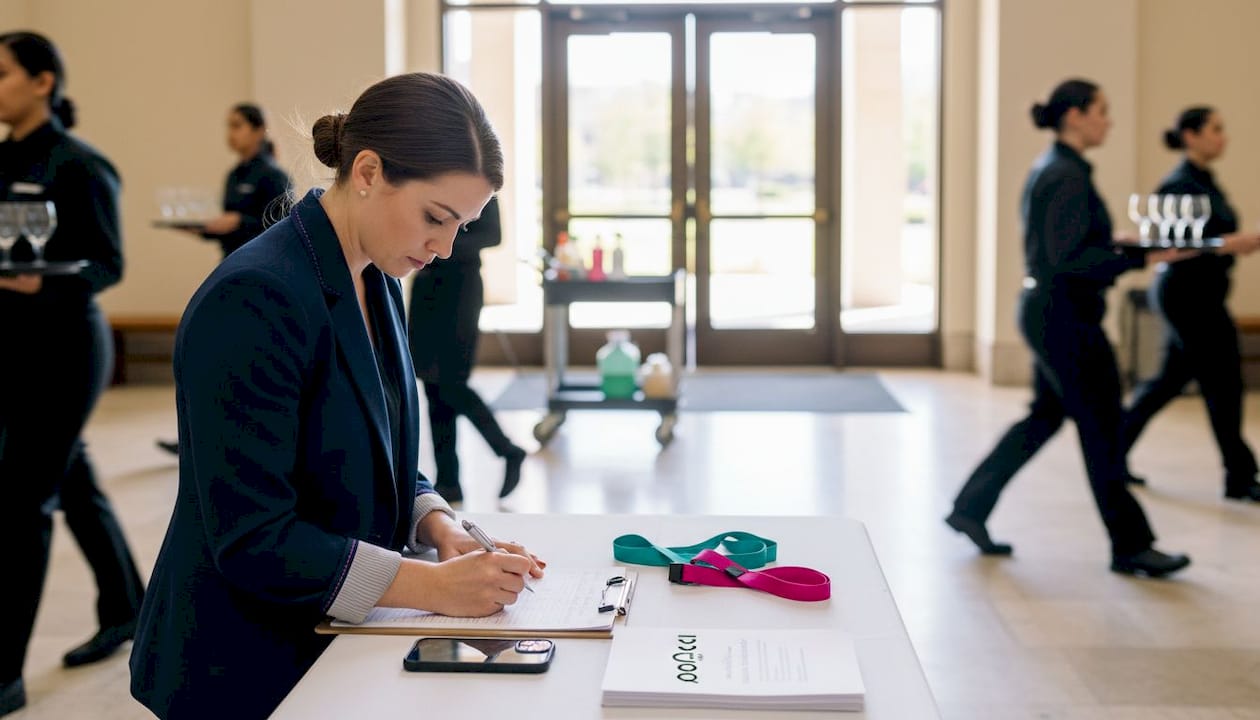
Here’s a sample schedule framework:
| Staff role | Arrival time | Departure time | Point of contact | Shift notes |
|---|---|---|---|---|
| Setup crew | 3 hours before event | 30 min before guests | Venue manager | Coordinate with florist |
| Servers | 90 min before event | End of reception | Event coordinator | Review menu and allergens |
| Bartenders | 2 hours before event | 30 min post-event | Event coordinator | Confirm bar inventory |
| Valets | 30 min before guests | Last car out | Designated family contact | Confirm parking layout |
For smooth communication on the day, keep these practices in place:
• Share the master schedule with every staff member at least 72 hours in advance
• Assign one point-of-contact per staff category, not one person managing everyone
• Use a group messaging thread for real-time updates
• Confirm responsibilities in a brief pre-event meeting on the morning of the wedding
Tip distribution should also be organized in advance. Distributing tips upfront via your planner avoids event-day confusion and ensures every team member feels valued from the start. Review your event styles guide to align your staffing structure with your specific event format.
After confirming all pre-event details, here’s how to ensure your plans translate into a seamless day. Even the best preparation meets real-world surprises, so having a clear action plan keeps things on track.
Use this numbered checklist on your wedding day:
1. Confirm all staff have arrived and checked in at least 60 minutes before guests
2. Walk through the venue with your coordinator to verify setup is complete
3. Brief all servers and bartenders on the event timeline and any last-minute changes
4. Confirm tip envelopes are ready and assigned to the correct person for distribution
5. Identify your point-person for the day and make sure all staff know who that is
6. Check in with each staff group at key moments: cocktail hour, dinner service, and post-reception
Staffing costs to keep in mind: In New Jersey, standard tipping runs $50 to $200 per server and $250 to $400 per bartender. Build this into your budget early so there are no surprises.

For performance issues or late arrivals, act quickly. Contact the agency immediately and have your point-person step in to cover communication gaps. Document any issues in writing for post-event review. Explore your wedding entertainment options in advance so entertainment staff are equally briefed and prepared.
Pro Tip: Assign a trusted family member or your day-of coordinator as your single point of contact for staff. This keeps you free to enjoy your wedding instead of troubleshooting.
Here’s something we’ve seen play out more than once: a couple hires a large team, feels confident, and then watches the event stumble because no one was clearly in charge of anything. More staff does not automatically mean better service. In one case, a 200-person reception had 18 servers but no one had been briefed on the table numbering system. The result was chaos during the first course.
The real difference comes from quality, clarity, and communication. Every team member should know their exact role, their point of contact, and what to do if something goes wrong. Professional event lighting insights actually mirror this principle: it’s not about how many fixtures you use, it’s about placing each one with intention.
Invest in fewer, better-briefed staff over a large uncoordinated group every time.
Ready to put this guide into practice? Finding expert help tailored to your NYC or NJ wedding is easier than ever. At Porcci NYC, we connect couples with experienced temporary event staff who know the local market and show up prepared. Our wedding planners NYC team can coordinate every role from servers to entertainment, so your focus stays on the celebration. When you’re ready to move forward, get a staffing quote and we’ll build a custom plan around your venue, guest count, and vision.
A typical NY/NJ wedding plans for one server per 15 guests and one bartender per 50 to 75 guests, with adjustments for event complexity. Standard ratios also factor in service style, such as buffet versus plated dinner.
It’s safest and most customary in NY/NJ to distribute tips upfront via your planner or coordinator, not through direct cash handoffs, to avoid confusion or disputes.
Many venues include basic setup and cleanup staff, but always confirm in your contract. Outside vendors are often needed for more complex logistics or specialty equipment.
Contact your agency immediately and have your designated point-person step in to manage communication while a replacement is arranged.
Plan your NY or NJ wedding with confidence. This step-by-step staffing guide covers roles, ratios, tipping norms, and day-of management for a flawless event.
TL;DR:
• Proper wedding staffing ensures smooth service and prevents logistical issues at NY/NJ events.
• Ask detailed questions and verify insurance, references, and contingency plans before hiring staff.
• Clear communication, defined roles, and timely scheduling are key to a successful wedding day.
Planning a wedding in New York or New Jersey is exciting, but without the right staff in place, even the most beautiful venue can unravel fast. Servers who disappear during dinner, bartenders who can’t keep up, or a coordinator who wasn’t briefed properly can turn your dream day into a logistical headache. This guide walks you through every step of building a reliable wedding team, from identifying which roles you need to managing staff on the big day, including the tipping norms and local standards that every NY/NJ couple should know.
• Understanding your wedding staffing needs
• How to find and vet reliable wedding staff
• Coordinating schedules and responsibilities
• On the day: Ensuring everything runs smoothly
• A hard-won lesson about wedding staffing most couples miss
• Level up your wedding with expert staffing and event support
| Point | Details |
|---|---|
| Know your roles | Staff types and headcounts depend on your guest list, venue, and service style. |
| Vet professionals | Carefully select and confirm reliable, insured staff with local experience. |
| Organize communication | Clear schedules and responsibilities are key to a stress-free event day. |
| Follow local tipping norms | NY/NJ tipping is best handled upfront via planner per researched standards. |
Once you recognize the value of a well-staffed event, the next step is to break down exactly who you’ll need on your big day. The party staff benefits for weddings go far beyond just having warm bodies in the room. Each role serves a specific purpose, and getting the mix right is what keeps the flow moving.
Here are the core staff roles most NY/NJ weddings require:
• Servers: Handle food service, table clearing, and guest needs throughout the reception
• Bartenders: Manage the bar, craft cocktails, and keep drink lines short
• Event coordinator: Oversees the timeline and communicates between vendors
• Entertainment staff: DJ, MC, or live band support (see our DJ vs live band breakdown for help deciding)
• Valets: Essential for venues with limited parking, especially in urban NJ locations
• Setup and cleanup crew: Handles logistics before guests arrive and after they leave
Staffing ratios matter. Here’s a quick reference for NY/NJ weddings:
| Staff role | Recommended ratio |
|---|---|
| Servers | 1 per 15 guests |
| Bartenders | 1 per 50 to 75 guests |
| Event coordinator | 1 per event (plus assistant for 150+ guests) |
| Valets | 1 per 30 to 40 cars |
Budget planning should also factor in tipping. In New Jersey, tipping benchmarks typically run $50 to $200 per server and $250 to $400 per bartender, or roughly 15 to 20% of the food and beverage bill. Distributing tips upfront through your planner is the standard approach in the region. Use a solid event checklist to track every role and cost before finalizing your budget.
Pro Tip: Always confirm in writing whether your venue provides core staff or if you’re responsible for sourcing them independently. This one question can save you thousands.
Now that your required roles are clear, here’s how to ensure you hire staff who’ll deliver excellence. The NY/NJ wedding market is competitive, and not every agency or freelance staffer will meet your standards. Knowing the right questions to ask makes all the difference.
Here are five questions to ask before hiring any wedding staff or agency:
1. Are your staff insured and background-checked? Reputable agencies always say yes.
2. Can you provide references from similar-sized weddings in NY or NJ? Local experience matters.
3. What is your substitution policy if someone calls out sick? You need a backup plan.
4. How do you handle overtime if the event runs long? Know the cost before it happens.
5. How are tips handled, and do you communicate that to your staff? Clarity here prevents awkward moments.
Watch for these common red flags when evaluating vendors:
• Vague or missing insurance documentation
• No clear policy on vendor red flags like last-minute substitutions
• Inconsistent reviews across platforms
• Pressure to pay large deposits in cash
Important: Never hand cash tips directly to unfamiliar staff on the event day. Distributing tips via your planner is the standard practice in this region and protects both you and the staff from confusion or disputes.
Also consider weatherproofing your wedding as part of your vendor vetting process. Staff who have experience with outdoor or hybrid events in the Northeast will handle unexpected conditions far better than those who don’t.
Pro Tip: Ask every agency what their contingency plan looks like for illness or no-shows. If they don’t have a clear answer, keep looking.
Once you have hired trustworthy staff, organizing their tasks and timing is key to a successful event. A master staffing schedule is your single most important planning document. It tells every person exactly where to be, when to arrive, and who to report to.
Here’s a sample schedule framework:
| Staff role | Arrival time | Departure time | Point of contact | Shift notes |
|---|---|---|---|---|
| Setup crew | 3 hours before event | 30 min before guests | Venue manager | Coordinate with florist |
| Servers | 90 min before event | End of reception | Event coordinator | Review menu and allergens |
| Bartenders | 2 hours before event | 30 min post-event | Event coordinator | Confirm bar inventory |
| Valets | 30 min before guests | Last car out | Designated family contact | Confirm parking layout |
For smooth communication on the day, keep these practices in place:
• Share the master schedule with every staff member at least 72 hours in advance
• Assign one point-of-contact per staff category, not one person managing everyone
• Use a group messaging thread for real-time updates
• Confirm responsibilities in a brief pre-event meeting on the morning of the wedding
Tip distribution should also be organized in advance. Distributing tips upfront via your planner avoids event-day confusion and ensures every team member feels valued from the start. Review your event styles guide to align your staffing structure with your specific event format.
After confirming all pre-event details, here’s how to ensure your plans translate into a seamless day. Even the best preparation meets real-world surprises, so having a clear action plan keeps things on track.
Use this numbered checklist on your wedding day:
1. Confirm all staff have arrived and checked in at least 60 minutes before guests
2. Walk through the venue with your coordinator to verify setup is complete
3. Brief all servers and bartenders on the event timeline and any last-minute changes
4. Confirm tip envelopes are ready and assigned to the correct person for distribution
5. Identify your point-person for the day and make sure all staff know who that is
6. Check in with each staff group at key moments: cocktail hour, dinner service, and post-reception
Staffing costs to keep in mind: In New Jersey, standard tipping runs $50 to $200 per server and $250 to $400 per bartender. Build this into your budget early so there are no surprises.
For performance issues or late arrivals, act quickly. Contact the agency immediately and have your point-person step in to cover communication gaps. Document any issues in writing for post-event review. Explore your wedding entertainment options in advance so entertainment staff are equally briefed and prepared.
Pro Tip: Assign a trusted family member or your day-of coordinator as your single point of contact for staff. This keeps you free to enjoy your wedding instead of troubleshooting.
Here’s something we’ve seen play out more than once: a couple hires a large team, feels confident, and then watches the event stumble because no one was clearly in charge of anything. More staff does not automatically mean better service. In one case, a 200-person reception had 18 servers but no one had been briefed on the table numbering system. The result was chaos during the first course.
The real difference comes from quality, clarity, and communication. Every team member should know their exact role, their point of contact, and what to do if something goes wrong. Professional event lighting insights actually mirror this principle: it’s not about how many fixtures you use, it’s about placing each one with intention.
Invest in fewer, better-briefed staff over a large uncoordinated group every time.
Ready to put this guide into practice? Finding expert help tailored to your NYC or NJ wedding is easier than ever. At Porcci NYC, we connect couples with experienced temporary event staff who know the local market and show up prepared. Our wedding planners NYC team can coordinate every role from servers to entertainment, so your focus stays on the celebration. When you’re ready to move forward, get a staffing quote and we’ll build a custom plan around your venue, guest count, and vision.
A typical NY/NJ wedding plans for one server per 15 guests and one bartender per 50 to 75 guests, with adjustments for event complexity. Standard ratios also factor in service style, such as buffet versus plated dinner.
It’s safest and most customary in NY/NJ to distribute tips upfront via your planner or coordinator, not through direct cash handoffs, to avoid confusion or disputes.
Many venues include basic setup and cleanup staff, but always confirm in your contract. Outside vendors are often needed for more complex logistics or specialty equipment.
Contact your agency immediately and have your designated point-person step in to manage communication while a replacement is arranged.