
Master your next event with our bar event staffing guide! Learn how to hire the right team to avoid long lines and keep guests happy.
TL;DR:
• Proper bar staffing is essential to maintain guest satisfaction, legal compliance, and smooth event operation.
• Understanding local licensing, certification, and correct team ratios prevents delays, fines, and guest dissatisfaction.
Picture this: your guests arrive excited, the venue looks great, and the music is on point. Then they head to the bar and find a line that stretches halfway across the room. One bartender is shaking cocktails as fast as she can, but the orders keep stacking up. Drinks come out slow, guests get restless, and the energy you worked so hard to build starts to fade. Poor bar staffing is one of the most common and most avoidable mistakes event organizers make. This guide gives you everything you need to hire the right people, in the right numbers, and keep your event running exactly as planned.
• Understand local requirements and legal basics
• What staff you need: roles and recommended ratios
• Step-by-step bar event staffing: checklist and timeline
• Common mistakes and how to avoid them
• What most hosts get wrong about bar staffing
• Streamline your next event with the right staffing partner
| Point | Details |
|---|---|
| Know your legal basics | Understand age, permit, and certification requirements before hiring event staff in NYC or NJ. |
| Staff the right ratios | Match bartender and barback numbers to your guest count and bar menu for smooth service. |
| Plan ahead | Secure bar staff 4-8 weeks early and confirm certifications and logistics. |
| Avoid common pitfalls | Prevent event headaches by sidestepping last-minute staffing and permit mistakes. |
| Quality beats quantity | Skilled, personable bartenders elevate the guest experience and event success. |
Before you post a single job listing or confirm a single hire, you need to know the rules. New York City and New Jersey have specific legal requirements for bar staffing at events, and skipping these steps can get your bar shut down mid-event or result in steep fines.
Here is a quick breakdown of what applies in New Jersey:
| Requirement | Details |
|---|---|
| Minimum age for bartenders/servers | 18 years old |
| Catering permit cost | $100 per 24-hour event period |
| Recommended certification | TIPS or TAM alcohol safety training |
| Role of minors | Support only, no alcohol service |
According to mobile bartending regulations in New Jersey, bartenders and servers must be at least 18 years old, a catering permit is required at $100 per 24-hour period, TIPS or TAM certification is strongly recommended, and minors may only assist in support roles, never serving alcohol directly.
Important: TIPS stands for Training for Intervention ProcedureS, and TAM stands for Techniques of Alcohol Management. Both programs train staff to recognize signs of intoxication and handle difficult situations responsibly. Having certified staff protects you legally and helps maintain a safe environment for your guests.
New York City rules can differ from New Jersey’s at the city or borough level, so always check local ordinances for your specific venue address. If your event crosses state lines or takes place in a unique venue such as a rooftop or waterfront property, you may face additional licensing layers. Our full guide on event staffing for NY and NJ covers those nuances in more detail.
Key legal points to keep on your checklist:
• Verify that all serving staff meet the 18-and-over age requirement
• Apply for your catering permit well before the event date
• Request proof of TIPS or TAM certification from each hire
• Confirm that any minors on your team are only assigned non-serving duties such as bussing glasses or restocking supplies
• Call your local municipality to confirm whether additional permits apply to your venue type
Ignoring these steps does not just create legal risk. It puts your guests and your reputation on the line. A well-credentialed team signals professionalism from the first drink served.
Knowing the rules, your next step is figuring out the right staff mix for your event. This is where many organizers either overspend or, more commonly, underestimate what they need.
The right number of bartenders depends on two things: how many guests you are serving and how complex your drink menu is. A beer and wine station is far less demanding than a full cocktail bar with custom drinks, fresh-squeezed juices, and multiple spirits. The recommended bartender-to-guest ratio for 100 guests is 1 to 2 bartenders for beer and wine service, and 2 to 3 bartenders for a full bar setup. Add a dedicated barback, someone who restocks supplies and keeps the station organized, whenever cocktails are involved.
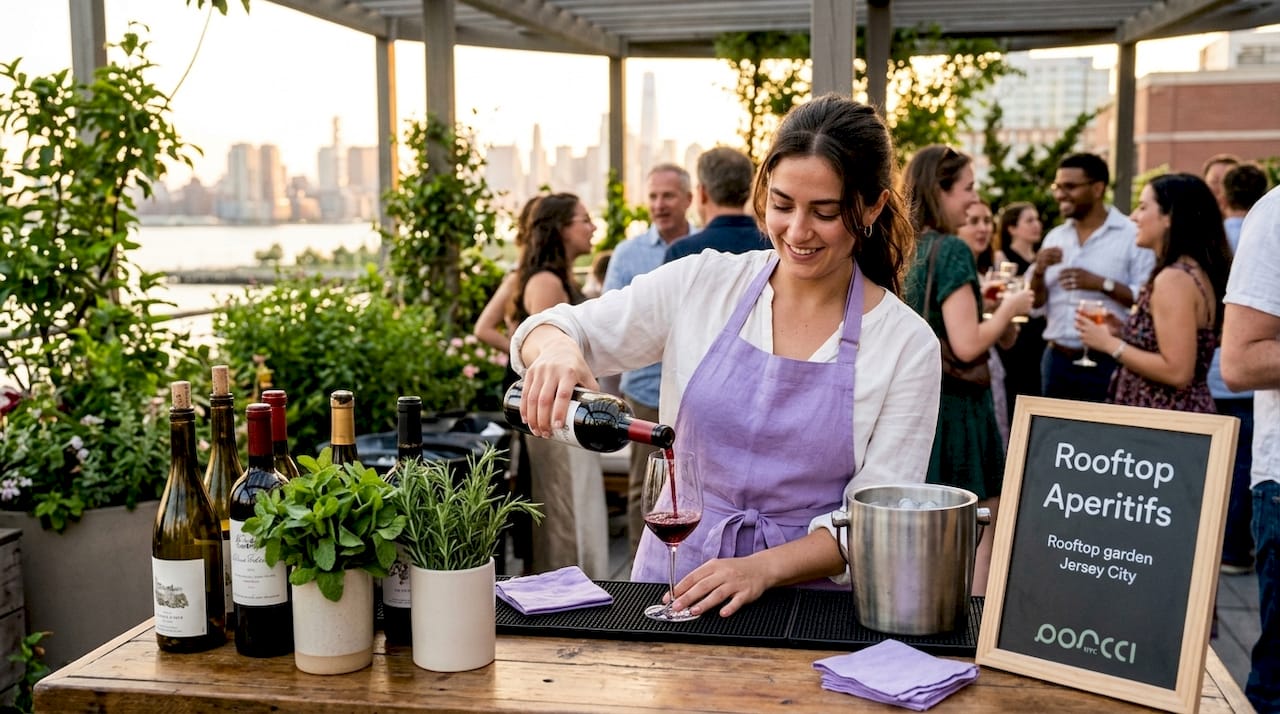
| Event size | Beer/wine bar | Full cocktail bar |
|---|---|---|
| Up to 50 guests | 1 bartender | 1 to 2 bartenders |
| 51 to 100 guests | 1 to 2 bartenders | 2 to 3 bartenders |
| 101 to 150 guests | 2 bartenders | 3 to 4 bartenders |
| 150+ guests | Scale up accordingly | Add 1 per 50 guests |
Here is how to scale your team systematically:
1. Start with your confirmed guest count.
2. Identify your bar format (beer/wine, full bar, or specialty cocktail station).
3. Apply the ratio above as your baseline.
4. Add one barback for every 2 to 3 bartenders when cocktails are on the menu.
5. Add servers if guests are seated and drinks need to be brought to tables.
6. Build in one extra staff member as a buffer for large events over 150 people.
Pro Tip: If your event features a specialty cocktail menu with more than five custom drinks, treat it as a high-complexity bar even if your guest count is modest. Those extra steps per drink add up fast and slow down service significantly.
Understanding the benefits of hiring party staff goes beyond headcount. Trained staff manage crowd flow, reduce spills, handle intoxicated guests tactfully, and keep the bar area clean, all things that affect your guests’ overall experience. If you are planning an event in areas like Central Jersey, our team also offers event services in Edison and surrounding communities.
Once you know who you need, it is time to organize and execute the hiring process efficiently. Waiting too long is the single biggest mistake we see event organizers make.
Recommended timeline:
1. 8 weeks out: Determine your guest count, bar format, and budget. Research local staffing agencies or independent professionals.
2. 6 to 7 weeks out: Post your job listing or contact your staffing provider. Be specific about the event type, location, dress code, and shift duration.
3. 5 weeks out: Review candidates. Ask for references and confirm certifications. Never skip the certification check.
4. 4 weeks out: Confirm your team in writing. Outline payment terms, arrival time, break schedule, and end time.
5. 1 to 2 weeks out: Send a detailed event brief covering the drink menu, any specialty items, guest flow expectations, and your point of contact for the evening.
6. Day before: Confirm attendance with every team member. Have a backup contact ready.
Your pre-event brief should include:
• Full drink menu with recipes for any specialty cocktails
• Guest profile (corporate crowd vs. casual party vs. formal wedding)
• Setup location and access instructions for staff arrival
• Dress code and grooming standards
• Who they report to during the event
• Emergency contacts and venue rules
Pro Tip: Always budget for one backup bartender, especially for events over 100 guests. Last-minute cancellations happen, and having a confirmed standby saves you from a staffing crisis on the day of. Pair your bar team with the right equipment rental in NJ to make sure the physical setup matches your staffing plan.
The bartender-to-guest ratio you chose in the previous step should drive every hiring decision in this timeline.

Even the best-laid plans can fail. Here is what to watch for so your staffing does not fall short on the night that matters most.
Most frequent staffing mistakes:
• Understaffing to save money. This is the fastest way to create long lines, unhappy guests, and a bar that cannot keep up. Skilled staff earn their cost many times over in guest satisfaction.
• Skipping permits or certifications. A single complaint from a venue neighbor or a routine check by local authorities can shut your bar down immediately if paperwork is not in order.
• Failing to brief staff on the menu. Bartenders who do not know your drink list slow down service and make errors. A 30-minute pre-event briefing prevents hours of confusion.
• No backup plan. If one bartender calls out sick, your whole service structure collapses without a contingency hire.
• Assigning too many roles to one person. A bartender who also manages the ice, restocks supplies, and takes money cannot focus on quality drinks.
“The bar experience shapes how guests remember your entire event. It is not just about drinks. It is about timing, energy, and feeling taken care of.”
Pro Tip: For events with 150 or more guests, always designate a bar manager, someone who oversees the team, handles issues, and communicates directly with the event host. This single hire takes enormous pressure off everyone else.
The reasons to hire party staff professionally, rather than relying on informal help, come into sharp focus when something goes wrong. Trained professionals respond. Untrained helpers panic.
Here is an honest take from years of working events across New York and New Jersey: most hosts focus on the wrong variable when staffing their bar. They chase the lowest hourly rate instead of the right experience level. And they almost always regret it.
A bartender who has worked three events total may cost less per hour. But they will move slower, make more mistakes, and fail to read the crowd. An experienced professional costs more but delivers a smoother flow that guests feel without even realizing why. The bar seems to just work. That is not luck. That is skill.
The other thing we see hosts underestimate is how much a great bartender shapes the atmosphere of an event. A charismatic, confident bartender who remembers your regular guests’ orders, keeps conversations light, and handles a rush without breaking their stride is doing more than mixing drinks. They are setting the tone for the entire room. Our hosting insights consistently reinforce this: the return on investing in quality staff is measured in how long guests stay, how often they return, and what they say about your event afterward.
Stop treating bar staffing as a line item to trim. Treat it as the foundation your guest experience is built on.
Ready to eliminate the guesswork and make your bar event stand out? At Porcci NYC, we help event organizers across New York and New Jersey build seamless, high-energy experiences from the ground up. Beyond staffing guidance, we offer a full range of event solutions including event and DJ services to energize your crowd, photo booth rentals to give guests a moment to celebrate, and equipment packages tailored to your venue size. Whether you are planning a corporate cocktail reception or a private bar celebration in NJ, our team is ready to help. Get a custom quote today and let us handle the logistics so your focus stays on the fun.
TIPS or TAM alcohol safety certification is recommended to meet insurance and legal safety requirements, and most reputable venues will ask for proof before your event begins.
Book professional bartenders at least 4 to 8 weeks in advance, especially for peak season dates in summer or around major holidays.
Minors may only assist in support roles such as clearing tables and are not permitted to serve or handle alcohol in any capacity.
For 100 guests, plan for 1 to 2 bartenders for beer and wine or 2 to 3 bartenders for a full bar, based on recommended staffing ratios for event service.
Yes, a catering permit costing $100 per 24-hour event period is required for mobile or off-site bar service in New Jersey.
Master your next event with our bar event staffing guide! Learn how to hire the right team to avoid long lines and keep guests happy.
TL;DR:
• Proper bar staffing is essential to maintain guest satisfaction, legal compliance, and smooth event operation.
• Understanding local licensing, certification, and correct team ratios prevents delays, fines, and guest dissatisfaction.
Picture this: your guests arrive excited, the venue looks great, and the music is on point. Then they head to the bar and find a line that stretches halfway across the room. One bartender is shaking cocktails as fast as she can, but the orders keep stacking up. Drinks come out slow, guests get restless, and the energy you worked so hard to build starts to fade. Poor bar staffing is one of the most common and most avoidable mistakes event organizers make. This guide gives you everything you need to hire the right people, in the right numbers, and keep your event running exactly as planned.
• Understand local requirements and legal basics
• What staff you need: roles and recommended ratios
• Step-by-step bar event staffing: checklist and timeline
• Common mistakes and how to avoid them
• What most hosts get wrong about bar staffing
• Streamline your next event with the right staffing partner
| Point | Details |
|---|---|
| Know your legal basics | Understand age, permit, and certification requirements before hiring event staff in NYC or NJ. |
| Staff the right ratios | Match bartender and barback numbers to your guest count and bar menu for smooth service. |
| Plan ahead | Secure bar staff 4-8 weeks early and confirm certifications and logistics. |
| Avoid common pitfalls | Prevent event headaches by sidestepping last-minute staffing and permit mistakes. |
| Quality beats quantity | Skilled, personable bartenders elevate the guest experience and event success. |
Before you post a single job listing or confirm a single hire, you need to know the rules. New York City and New Jersey have specific legal requirements for bar staffing at events, and skipping these steps can get your bar shut down mid-event or result in steep fines.
Here is a quick breakdown of what applies in New Jersey:
| Requirement | Details |
|---|---|
| Minimum age for bartenders/servers | 18 years old |
| Catering permit cost | $100 per 24-hour event period |
| Recommended certification | TIPS or TAM alcohol safety training |
| Role of minors | Support only, no alcohol service |
According to mobile bartending regulations in New Jersey, bartenders and servers must be at least 18 years old, a catering permit is required at $100 per 24-hour period, TIPS or TAM certification is strongly recommended, and minors may only assist in support roles, never serving alcohol directly.
Important: TIPS stands for Training for Intervention ProcedureS, and TAM stands for Techniques of Alcohol Management. Both programs train staff to recognize signs of intoxication and handle difficult situations responsibly. Having certified staff protects you legally and helps maintain a safe environment for your guests.
New York City rules can differ from New Jersey’s at the city or borough level, so always check local ordinances for your specific venue address. If your event crosses state lines or takes place in a unique venue such as a rooftop or waterfront property, you may face additional licensing layers. Our full guide on event staffing for NY and NJ covers those nuances in more detail.
Key legal points to keep on your checklist:
• Verify that all serving staff meet the 18-and-over age requirement
• Apply for your catering permit well before the event date
• Request proof of TIPS or TAM certification from each hire
• Confirm that any minors on your team are only assigned non-serving duties such as bussing glasses or restocking supplies
• Call your local municipality to confirm whether additional permits apply to your venue type
Ignoring these steps does not just create legal risk. It puts your guests and your reputation on the line. A well-credentialed team signals professionalism from the first drink served.
Knowing the rules, your next step is figuring out the right staff mix for your event. This is where many organizers either overspend or, more commonly, underestimate what they need.
The right number of bartenders depends on two things: how many guests you are serving and how complex your drink menu is. A beer and wine station is far less demanding than a full cocktail bar with custom drinks, fresh-squeezed juices, and multiple spirits. The recommended bartender-to-guest ratio for 100 guests is 1 to 2 bartenders for beer and wine service, and 2 to 3 bartenders for a full bar setup. Add a dedicated barback, someone who restocks supplies and keeps the station organized, whenever cocktails are involved.
| Event size | Beer/wine bar | Full cocktail bar |
|---|---|---|
| Up to 50 guests | 1 bartender | 1 to 2 bartenders |
| 51 to 100 guests | 1 to 2 bartenders | 2 to 3 bartenders |
| 101 to 150 guests | 2 bartenders | 3 to 4 bartenders |
| 150+ guests | Scale up accordingly | Add 1 per 50 guests |
Here is how to scale your team systematically:
1. Start with your confirmed guest count.
2. Identify your bar format (beer/wine, full bar, or specialty cocktail station).
3. Apply the ratio above as your baseline.
4. Add one barback for every 2 to 3 bartenders when cocktails are on the menu.
5. Add servers if guests are seated and drinks need to be brought to tables.
6. Build in one extra staff member as a buffer for large events over 150 people.
Pro Tip: If your event features a specialty cocktail menu with more than five custom drinks, treat it as a high-complexity bar even if your guest count is modest. Those extra steps per drink add up fast and slow down service significantly.
Understanding the benefits of hiring party staff goes beyond headcount. Trained staff manage crowd flow, reduce spills, handle intoxicated guests tactfully, and keep the bar area clean, all things that affect your guests’ overall experience. If you are planning an event in areas like Central Jersey, our team also offers event services in Edison and surrounding communities.
Once you know who you need, it is time to organize and execute the hiring process efficiently. Waiting too long is the single biggest mistake we see event organizers make.
Recommended timeline:
1. 8 weeks out: Determine your guest count, bar format, and budget. Research local staffing agencies or independent professionals.
2. 6 to 7 weeks out: Post your job listing or contact your staffing provider. Be specific about the event type, location, dress code, and shift duration.
3. 5 weeks out: Review candidates. Ask for references and confirm certifications. Never skip the certification check.
4. 4 weeks out: Confirm your team in writing. Outline payment terms, arrival time, break schedule, and end time.
5. 1 to 2 weeks out: Send a detailed event brief covering the drink menu, any specialty items, guest flow expectations, and your point of contact for the evening.
6. Day before: Confirm attendance with every team member. Have a backup contact ready.
Your pre-event brief should include:
• Full drink menu with recipes for any specialty cocktails
• Guest profile (corporate crowd vs. casual party vs. formal wedding)
• Setup location and access instructions for staff arrival
• Dress code and grooming standards
• Who they report to during the event
• Emergency contacts and venue rules
Pro Tip: Always budget for one backup bartender, especially for events over 100 guests. Last-minute cancellations happen, and having a confirmed standby saves you from a staffing crisis on the day of. Pair your bar team with the right equipment rental in NJ to make sure the physical setup matches your staffing plan.
The bartender-to-guest ratio you chose in the previous step should drive every hiring decision in this timeline.
Even the best-laid plans can fail. Here is what to watch for so your staffing does not fall short on the night that matters most.
Most frequent staffing mistakes:
• Understaffing to save money. This is the fastest way to create long lines, unhappy guests, and a bar that cannot keep up. Skilled staff earn their cost many times over in guest satisfaction.
• Skipping permits or certifications. A single complaint from a venue neighbor or a routine check by local authorities can shut your bar down immediately if paperwork is not in order.
• Failing to brief staff on the menu. Bartenders who do not know your drink list slow down service and make errors. A 30-minute pre-event briefing prevents hours of confusion.
• No backup plan. If one bartender calls out sick, your whole service structure collapses without a contingency hire.
• Assigning too many roles to one person. A bartender who also manages the ice, restocks supplies, and takes money cannot focus on quality drinks.
“The bar experience shapes how guests remember your entire event. It is not just about drinks. It is about timing, energy, and feeling taken care of.”
Pro Tip: For events with 150 or more guests, always designate a bar manager, someone who oversees the team, handles issues, and communicates directly with the event host. This single hire takes enormous pressure off everyone else.
The reasons to hire party staff professionally, rather than relying on informal help, come into sharp focus when something goes wrong. Trained professionals respond. Untrained helpers panic.
Here is an honest take from years of working events across New York and New Jersey: most hosts focus on the wrong variable when staffing their bar. They chase the lowest hourly rate instead of the right experience level. And they almost always regret it.
A bartender who has worked three events total may cost less per hour. But they will move slower, make more mistakes, and fail to read the crowd. An experienced professional costs more but delivers a smoother flow that guests feel without even realizing why. The bar seems to just work. That is not luck. That is skill.
The other thing we see hosts underestimate is how much a great bartender shapes the atmosphere of an event. A charismatic, confident bartender who remembers your regular guests’ orders, keeps conversations light, and handles a rush without breaking their stride is doing more than mixing drinks. They are setting the tone for the entire room. Our hosting insights consistently reinforce this: the return on investing in quality staff is measured in how long guests stay, how often they return, and what they say about your event afterward.
Stop treating bar staffing as a line item to trim. Treat it as the foundation your guest experience is built on.
Ready to eliminate the guesswork and make your bar event stand out? At Porcci NYC, we help event organizers across New York and New Jersey build seamless, high-energy experiences from the ground up. Beyond staffing guidance, we offer a full range of event solutions including event and DJ services to energize your crowd, photo booth rentals to give guests a moment to celebrate, and equipment packages tailored to your venue size. Whether you are planning a corporate cocktail reception or a private bar celebration in NJ, our team is ready to help. Get a custom quote today and let us handle the logistics so your focus stays on the fun.
TIPS or TAM alcohol safety certification is recommended to meet insurance and legal safety requirements, and most reputable venues will ask for proof before your event begins.
Book professional bartenders at least 4 to 8 weeks in advance, especially for peak season dates in summer or around major holidays.
Minors may only assist in support roles such as clearing tables and are not permitted to serve or handle alcohol in any capacity.
For 100 guests, plan for 1 to 2 bartenders for beer and wine or 2 to 3 bartenders for a full bar, based on recommended staffing ratios for event service.
Yes, a catering permit costing $100 per 24-hour event period is required for mobile or off-site bar service in New Jersey.


